Showing posts with label Health Matters. Show all posts

05/06/2026

World Environment Day 2026


The foods we eat, the air we breathe, the water we drink and the climate that makes our planet habitable all come from nature.

Yet, these are exceptional times in which nature is sending us a message:
  • To care for ourselves we must care for nature.
  • It’s time to wake up. To take notice. To raise our voices.
  • It’s time to build back better for People and Planet.
  • This World Environment Day, it’s Time for Nature.

read more

World Environment Day

World Environment Day (WED) is celebrated on 5 June every year, and is the United Nations' principal vehicle for encouraging awareness and action for the protection of the environment. First held in 1974, it has been a flagship campaign for raising awareness on environmental issues emerging from marine pollution, human overpopulation, and global warming, to sustainable consumption and wildlife crime. World Environment Day has grown to become a global platform for public outreach, with participation from over 143 countries annually. Each year, WED has provided a new theme that major corporations, NGOs, communities, governments and all celebrities worldwide adopt to advocate environmental causes.

World Environment Day was established in 1972 by the United Nations on the first day of the Stockholm Conference on the Human Environment, resulting from discussions on the integration of human interactions and the environment. Two years later, in 1974 the first WED was held with the theme "Only One Earth". Even though WED celebration have been held annually since 1974, in 1987 the idea for rotating the centre of these activities through selecting different host countries began.

For almost five decades, World Environment Day has been raising awareness, supporting action, and driving changes for the environment

read more

28/05/2026

Menstrual Hygiene Day 2026


Menstrual Hygiene Day theme 2026

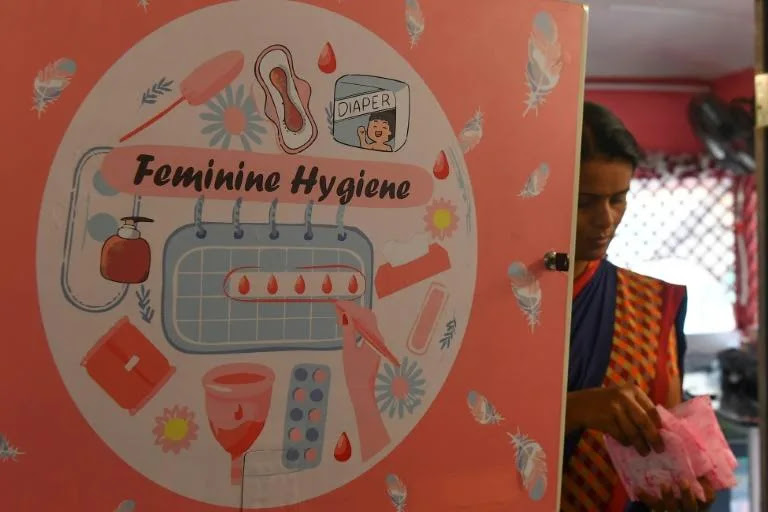
On Menstrual Hygiene Day 2026, we're working to break the silence around periods, tackle the stigma often associated with them, and raise awareness of the importance of menstrual hygiene for women, girls and people who menstruate around the world.

When is Menstrual Hygiene Day 2026, and what is it? Menstrual Hygiene Day takes place on 28 May every year. It's a chance to highlight the importance of menstrual care, and raise awareness about the issues faced by those who don't have access to sanitary products. Access to sanitary products, safe, hygienic spaces in which to use them, and the right to manage menstruation without shame or stigma, is essential for anyone who menstruates. But for too many, that's not the reality.

The theme of Menstrual Hygiene Day 2026 is: making menstruation a normal fact of life by 2030. The overarching goal is to build a world where no one is held back because they menstruate by 2030.


International Day of Action for Women’s Health

On May 28, the International Day of Action for Women’s Health, activists around the world will take action, mobilize, and highlight demands towards the fulfillment of women’s right to health. This year, we call on everyone to #ResistAndPersist amid crises and global uncertainty and to continue to assert that #WomensHealthMatters and #SRHRisEssential. 

Within the context of the post-pandemic recovery, we continue to hold governments accountable to the gendered impacts of the pandemic that remain unaddressed to date. Some of these impacts include loss of livelihood, increased unpaid care burdens on women and girls, heightened risks to gender-based violence, and barriers to accessing essential sexual and reproductive health services, including safe abortion and post-abortion care.

We also escalate the need for accountability at the global level as we recognize that the multiple crises we face – economic, political, humanitarian, climate, disinformation crises – require no less than concerted global effort to be adequately addressed.


Menstrual Hygiene Day

For some, menstruation may be an inconvenience they don’t give much thought to. But for millions of others, this most natural of reproductive cycle functions can equate to abuse (the onset of menstruation can signal that a girl is ready for marriage and childbearing, even if she is still a child herself); stigma (banished to menstruation huts; barred from sharing meals); missed opportunity (skipping school because of pain and/or lack of personal hygiene products); and loss of dignity (lack of supplies and sanitation in humanitarian settings where even basics like soap and water can be scarce or unavailable.)

Among initiatives to support menstrual health and hygiene, UNFPA reaches people who menstruate with education, safe sanitation facilities, including in displacement camps, and with dignity kits containing essentials like soap, menstrual supplies and underwear. Recently, UNFPA has distributed thousands of kits in humanitarian settings as a result of conflict (Ukraine and Moldova, northern Ethiopia) and natural disasters (Haiti, the Philippines, Tonga, Malawi and Mozambique).

The day is observed on 28 May because menstrual cycles average 28 days in length and people menstruate an average of five days each month. (May is the fifth month of the year.) It is meant to advance menstruation as a biological process so that people can menstruate without being cast out or missing out, without feeling fear or shame and without being treated like less or exposed to more vulnerabilities. It also raises awareness of period poverty, or the inability to afford the menstrual supplies needed to manage health and hygiene with dignity.


Menstrual Hygiene Day: Making menstruation a normal fact of life by 2030

Today, millions of women and girls* around the world are stigmatised, excluded and discriminated against simply because they menstruate. It’s not acceptable that because of a natural bodily function women and girls continue to be prevented from getting an education, earning an income and fully and equally participating in everyday life.

While Menstrual Hygiene Day is on 28 May, our team and our partners work all year round to:
  • Break the taboos and end the stigma surrounding menstruation
  • Raise awareness about the challenges regarding access to menstrual products, education about menstruation and period-friendly sanitation facilities
  • Mobilise the funding required for action at scale

All of this contributes to our overarching goal: to build a world where no one is held back because they menstruate by 2030. Join the global day of action.


From Pads to Tampons: How women dealt with periods long before sanitary pads and tampons
Long before the sanitary pad got its wings, it was meant to help men cope with another kind of bleeding. Ahead of Menstrual Hygiene Day on May 28

Did you know that the first disposable sanitary pads were made for men, not women? In the 1700s, the idea of creating a highly absorbent pad that could be discarded after use was thought up by US president Benjamin Franklin, who wanted to help wounded soldiers control bleeding of a different kind.

Of course, women were menstruating before the 1700s and were known to use some form of menstrual protection. One of the earliest records was of a 4th-century Greek mathematician, who resorted to throwing her menstrual rag at a persistent admirer after everything else she did failed to fob him off. Other than rags, women also lined their underwear with whatever was cheap and in abundance. In China, women were thought to have made period pads by putting sand in a cloth pouch and wrapping it tightly. When the pad was wet, the sand would be discarded and the pouch washed for the next cycle.

Elsewhere, women were said to have used moss or grass, though we wonder if they also had to grapple with frequent infections down there. It isn't clear why menstrual rags weren't used by some women from the 1700s to the 1900s in Europe or America. It could be the extreme poverty that the majority of the population lived through. For whatever reason, women did not use anything to catch their menstrual flow. Those who could afford to would use knitted "pads", sheep's wool, or rabbit fur. 


How women have managed periods throughout history

Women have been managing their periods for millennia, but the way they do so has changed as menstruation has become more and less stigmatised over time. From rags to tampons, menstrual cups and free-bleeding, take a tour of the history of period products on this Menstrual Hygiene Day.

For most of human history, menstruation was very poorly understood. In ancient times, it was often thought of negatively, the blood considered impure and periods thought to be a curse. From the 15th century, "women would apply remedies, for example enemas, perform physical exercise or take emmenagogue plants", which helped regulate menstruation cycles, French historian Nahema Hanafi told AFP. It was the job of the women in a teenager's family or community to inform her about periods. But they also discussed how it worked with men.

"In medieval and modern times, people talk about menstruation because it is a crucial health issue that concerns the whole family," Hanafi said. Noble women, for example, would catalogue their periods in correspondence with their father or uncle. However menstruation became taboo in the 19th century Europe with the rise of the middle class, which brought about new social norms, the historian said. Modesty became a feminine virtue. "In this movement, everything related to the body and sexuality was kept from women's sight, which prevented them from being informed about these subjects -- and from talking about them," Hanafi said.


Choosing the Right Sanitary Pad

When you have your period, you need the assurance that your sanitary pad provides you reliable absorbency with no leakages. After all, what could be more embarrassing than having a period stain on your skirt? Comfort is of upmost importance, make sure your pad is comfortable and doesn’t cause you any itchiness or irritation. Here are three important things to note when choosing a sanitary pad:
  • Good Absorbency - One of the most important elements of a good sanitary pad is the ability to absorb a large volume of blood in a short span of time. Blood absorbed should also be locked into the centre core, eliminating the chance of backflow when pressure is applied to the pad (for example when sitting down). One way to tell whether the discharged blood is absorbed to the centre core is to observe the colour of the blood on the pad surface. The brighter or fresher the colour, the nearer the blood is to the surface, potentially leading to backflow and dampness. Conversely, if the colour appears a duller red, this means that blood has been effectively absorbed so that you feel dry, confident and are able to go about your daily activities without worrying about any leakage!
  • Length and Flow - Blood discharge is usually heavier at the start of your period, so it is essential to choose a pad that can quickly and effectively absorb your flow. Sanitary pads are classified as Day or Night, with Day pads being shorter (ranging from 17cm to 25cm) and Night pads going all the way to 35cm or more. The longer the pad, the more fluids it can absorb. Night pads also come with added features like wide hip guards to effectively prevent back leakages as you lie down. Some pads also come with side gathers to fit your body contours; this is to prevent side leakage throughout the night.
  • Material Comfort - Sanitary pads are either made of cotton or plastic netted. Everyone’s skin is different, thus the comfort levels with certain materials differ as well. Some girls prefer a soft touch whilst others may prefer a netted top layer. The type of material also affects its breathability. According to a survey conducted by Kao Laboratories in Japan, when you put on a sanitary pad, humidity levels in that area of your body elevates to 85% or higher. This change could make the skin damp, tender and very sensitive. The menstrual flow itself could lead to your discomfort. On light flow days, moisture levels are lower but the constant rubbing of your skin against the sanitary pad can give rise to abrasions, making your skin red and itchy. A common misconception among women is that having rashes in their pubic area is something all women have to go through during their period. The truth is, the problem may quite easily be alleviated by simply changing to cotton-type sanitary pads!


Menstrual pads

A menstrual pad, or simply pad, (also known as a sanitary pad, sanitary towel, sanitary napkin or feminine napkin) is an absorbent item worn by women in their underwear when menstruating, bleeding after giving birth, recovering from gynecologic surgery, experiencing a miscarriage or abortion, or in any other situation where it is necessary to absorb a flow of blood from the vagina.

A menstrual pad is a type of menstrual hygiene product that is worn externally, unlike tampons and menstrual cups, which are worn inside the vagina. Pads are generally changed by being stripped off the pants and panties, taking out the old pad, sticking the new one on the inside of the panties and pulling them back on. Pads are recommended to be changed every 3–4 hours to avoid certain bacteria that can fester in blood; this time also may differ depending on the kind worn, flow, and the time it is worn.

Menstrual pads are made from a range of materials, differing depending on style, country of origin, and brand. The pads are not the same as incontinence pads, which generally have higher absorbency and are worn by those who have urinary incontinence problems. Although menstrual pads are not made for this use, some use them for this purpose.


Tampons
Tampon inserted

A tampon is a menstrual product designed to absorb blood and vaginal secretions by insertion into the vagina during menstruation. Unlike a pad, it is placed internally, inside of the vaginal canal. Once inserted correctly, a tampon is held in place by the vagina and expands as it soaks up menstrual blood. However, in addition to menstrual blood, the tampon also absorbs the vagina's natural lubrication and bacteria, which can change the normal pH, increasing the risk of infections from the bacterium Staphylococcus aureus, which can lead to toxic shock syndrome (TSS). TSS is a rare but life-threatening infection that requires immediate medical attention.

The majority of tampons sold are made of rayon, or a blend of rayon and cotton, along with synthetic fibers. Some tampons are made out of organic cotton. Tampons are available in several absorbency ratings. Brands include (but are not limited to) Kotex, Playtex, Tampax (Always), O.B., Cora, Lola, Sustain, Honest Company, Seventh Generation, Solimo, and Rael Tampons. Several countries regulate tampons as medical devices. In the United States, they are considered to be a Class II medical device by the Food and Drug Administration (FDA).

Tampon design varies between companies and across product lines in order to offer a variety of applicators, materials and absorbencies. There are two main categories of tampons based on the way of insertion - digital tampons inserted by finger, and applicator tampons. Tampon applicators may be made of plastic or cardboard, and are similar in design to a syringe. The applicator consists of two tubes, an "outer", or barrel, and "inner", or plunger. The outer tube has a smooth surface to aid insertion and sometimes comes with a rounded end that is petaled. Differences exist in the way tampons expand when in use: applicator tampons generally expand axially (increase in length), while digital tampons will expand radially (increase in diameter). Most tampons have a cord or string for removal. The majority of tampons sold are made of rayon, or a blend of rayon and cotton. Organic cotton tampons are made from only 100% cotton. Tampons may also come in scented or unscented varieties


Menstrual cups
A properly inserted menstrual cup (blue) will form a seal against the vaginal walls, as shown. Blood flow from the uterus (red) is captured in the cup

A menstrual cup is a menstrual hygiene device which is inserted into the vagina during menstruation. Its purpose is to collect menstrual fluid (blood from the uterine lining mixed with other fluids). Menstrual cups are usually made of flexible medical grade silicone, latex, or a thermoplastic isomer. They are shaped like a bell with a stem or a ring. The stem is used for insertion and removal, and the bell-shaped cup seals against the vaginal wall just below the cervix and collects menstrual fluid. This is unlike tampons and menstrual pads, which absorb the fluid instead.

Every 4–12 hours (depending on the amount of flow), the cup is removed, emptied, rinsed, and reinserted. After each period, the cup requires cleaning. One cup may be reusable for up to 10 years, making their long-term cost lower than that of disposable tampons or pads, though the initial cost is higher. As menstrual cups are reusable, they generate less solid waste than tampons and pads, both from the products themselves and from their packaging. Most menstrual cup brands sell a smaller and a larger size. Some menstrual cups are sold colorless and translucent, but several brands also offer colored cups. Menstrual cups typically do not leak if used properly, though incorrect placement or inadequate cup size can cause some women to experience leakage. Menstrual cups are a safe alternative to other menstrual products; risk of toxic shock syndrome infection is similar or less with menstrual cups compared to pads or tampons

The menstrual cup is first folded or pinched and then inserted into the vagina. It will normally unfold automatically and create a light seal against the cervix. In some cases, the user may need to twist the cup or flex the vaginal muscles to ensure the cup is fully open. If correctly inserted, the cup should not leak or cause any discomfort. The stem should be completely inside the vagina. If it is not, the stem can be trimmed. There are various folding techniques for insertion; common folds include the c-fold, as well as the punch-down fold. If lubrication is necessary for insertion, it should be water-based, as silicone lubricant can be damaging to the silicone. After 4–12 hours of use (depending on the amount of flow), the cup is removed by reaching up to its stem to find the base. Simply pulling on the stem is not recommended to remove the cup, as this can create suction. The base of the cup is pinched to release the seal, and the cup is removed. After emptying, a menstrual cup should be rinsed or wiped and reinserted. It can be washed with a mild soap, and sterilized in boiling water for a few minutes at the end of the cycle. Alternatively, sterilizing solutions (usually developed for baby bottles and breast pump equipment) may be used to soak the cup. Specific cleaning instructions vary by brand.
22/04/2026

Earth Day 2026

Toast to Earth Day with organic champagne

22 April marks Earth Day, an annual event to demonstrate support for environmental protection.

Hot on the heels of protests that happened at the start of April 2022 – with more than 1000 scientists from 25 different countries staging protests following the release of the Intergovernmental Panel on Climate Change’s new report – it seems more apt than ever that we talk about protecting the Earth. In a nutshell, the report warned that rapid and deep cuts to greenhouse gas emissions are necessary by 2025 to avoid catastrophic climate effects.

It's starting to feel a bit like the film Don't Look Up, a disaster and satiric movie starring Leonardo DiCaprio and Jennifer Lawrence. A bunch of scientists warning humanity about something that will affect their lives, but meh, we're too distracted (or powerless) to take the warnings seriously.

08/03/2026

International Women's Day 2026


International Women's Day is a worldwide celebration of women's social, economic, cultural, and political achievements.

The day also serves as a rallying cry for greater gender equality. Worldwide, there is a lot of activity as people come together to celebrate women's accomplishments or to rally for women's equality.

International Women's Day (IWD), observed annually on March 8th, is one of the most important days of the year to honour women's accomplishments, increase awareness of women's equality, advocate for gender parity as soon as possible, and raise funds for female-focused charities.


The women's day has been celebrated for well over a century, with the first one in 1911

International Women's Day (IWD), celebrated on March 8, is a global day celebrating the social, economic, cultural, and political achievements of women. The women's day has been celebrated for well over a century, with the first one in 1911.

The day marks a call to action for accelerating gender parity. Significant activity is witnessed worldwide as groups come together to celebrate women's achievements or rally for women's equality.

Marked annually on March 8th, women's day is one of the most important days of the year to celebrate women's achievements, raise awareness about women's equality, lobby for accelerated gender parity and fundraise for female-focused charities.


From Suffrage To Sisterhood: What Is Feminism And What Does It Mean?

Held on March 8, International Women’s Day celebrates the progress women have made over the last century, and the inspiring women who helped make that progress happen. From the suffragist movement of the 1800s to the 2017 Women’s March in Washington, women have used the power of language and oration to inspire countless people.

Early feminism was heavily influenced by the Enlightenment in Europe during the late 1700s. The movement focused on reason and equality for all, and it ultimately inspired the American and French Revolutions. Think of the Declaration of Independence: “We hold these truths to be self-evident: that all men are created equal; that they are endowed by their creator with certain unalienable rights; that among these are life, liberty, and the pursuit of happiness.” Of course, that whole all men are created equal thing didn’t apply to women or people of color at the time. That was a problem and a great source of tension for early feminism.

In the UK, Mary Wollstonecraft, an early feminist, published A Vindication of the Rights of Women in 1792, promoting the then-radical idea that women be educated on the same level as their male peers. The word feminism itself was first coined in 1837 by French philosopher, Charles Fourier (as féminisme). It originally referred to “feminine qualities or character,” but that sense isn’t used any more. Toward the end of the century, the word came to refer to equal rights for women and became inextricably linked to the suffragist movement.

19/11/2025

World Toilet Day 2025

WHO CARES ABOUT TOILETS?
Here are nine reasons to thank your toilet. Can you think of more?

World Toilet Day is all about celebrating toilets for everything they do for us – from taking away our waste to protecting our health, safety and dignity.

Billions of people still don’t have a safe toilet. If you’re lucky enough have one, say thanks and give it some love!

Show us how much you care about toilets by joining the #WorldToiletDay conversation on social media.


Singapore's first UN resolution adopted; now, every Nov 19 is World Toilet Day

The United Nations (UN) has agreed to mark World Toilet Day on Nov 19, thanks to a Singapore initiative.

Singapore had tabled the resolution, Sanitation for All, to raise awareness of the global challenge of sanitation and toilets.

It is the first time Singapore, since it became a UN member 48 years ago, had put a resolution before the UN's General Assembly of 193 members. The resolution was supported by 120 countries, said the the Ministry of Foreign Affairs and Ministry of the Environment and Water Resources in a joint statement on Wednesday.


World Toilet Day

World Toilet Day (WTD) is an official United Nations international observance day on 19 November to inspire action to tackle the global sanitation crisis. Worldwide, 4.2 billion people live without "safely managed sanitation" and around 673 million people practice open defecation.  Sustainable Development Goal 6 aims to "Ensure availability and sustainable management of water and sanitation for all". In particular, target 6.2 is to "End open defecation and provide access to sanitation and hygiene". When the Sustainable Development Goals Report 2020 was published, United Nations Secretary-General António Guterres said, "Today, Sustainable Development Goal 6 is badly off track" and it "is hindering progress on the 2030 Agenda, the realization of human rights and the achievement of peace and security around the world".

World Toilet Day exists to inform, engage and inspire people to take action toward achieving this goal. The UN General Assembly declared World Toilet Day an official UN day in 2013, after Singapore had tabled the resolution (its first resolution before the UN's General Assembly of 193 member states). Prior to that, World Toilet Day had been established unofficially by the World Toilet Organization (a Singapore-based NGO) in 2001. UN-Water is the official convener of World Toilet Day. UN-Water maintains the official World Toilet Day website and chooses a special theme for each year. In 2020 the theme was "Sustainable sanitation and climate change". In 2019 the theme was 'Leaving no one behind', which is the central theme of the Sustainable Development Goals. Themes in previous years include nature-based solutions, wastewater, toilets and jobs, and toilets and nutrition. World Toilet Day is marked by communications campaigns and other activities. Events are planned by UN entities, international organizations, local civil society organizations and volunteers to raise awareness and inspire action.

Toilets are important because access to a safe functioning toilet has a positive impact on public health, human dignity, and personal safety, especially for females. Sanitation systems that do not safely treat excreta (feces) allow the spread of disease.Serious soil-transmitted diseases and waterborne diseases such as cholera, diarrhea, typhoid, dysentery and schistosomiasis can result.

05/06/2025

World Environment Day 2025


The foods we eat, the air we breathe, the water we drink and the climate that makes our planet habitable all come from nature.

Yet, these are exceptional times in which nature is sending us a message:
  • To care for ourselves we must care for nature.
  • It’s time to wake up. To take notice. To raise our voices.
  • It’s time to build back better for People and Planet.
  • This World Environment Day, it’s Time for Nature.

read more

World Environment Day

World Environment Day (WED) is celebrated on 5 June every year, and is the United Nations' principal vehicle for encouraging awareness and action for the protection of the environment. First held in 1974, it has been a flagship campaign for raising awareness on environmental issues emerging from marine pollution, human overpopulation, and global warming, to sustainable consumption and wildlife crime. World Environment Day has grown to become a global platform for public outreach, with participation from over 143 countries annually. Each year, WED has provided a new theme that major corporations, NGOs, communities, governments and all celebrities worldwide adopt to advocate environmental causes.

World Environment Day was established in 1972 by the United Nations on the first day of the Stockholm Conference on the Human Environment, resulting from discussions on the integration of human interactions and the environment. Two years later, in 1974 the first WED was held with the theme "Only One Earth". Even though WED celebration have been held annually since 1974, in 1987 the idea for rotating the centre of these activities through selecting different host countries began.

For almost five decades, World Environment Day has been raising awareness, supporting action, and driving changes for the environment

read more

28/05/2025

Menstrual Hygiene Day 2025


Menstrual Hygiene Day theme 2025

On Menstrual Hygiene Day 2025, we're working to break the silence around periods, tackle the stigma often associated with them, and raise awareness of the importance of menstrual hygiene for women, girls and people who menstruate around the world.

When is Menstrual Hygiene Day 2025, and what is it? Menstrual Hygiene Day takes place on 28 May every year. It's a chance to highlight the importance of menstrual care, and raise awareness about the issues faced by those who don't have access to sanitary products. Access to sanitary products, safe, hygienic spaces in which to use them, and the right to manage menstruation without shame or stigma, is essential for anyone who menstruates. But for too many, that's not the reality.

The theme of Menstrual Hygiene Day 2025 is: making menstruation a normal fact of life by 2030. The overarching goal is to build a world where no one is held back because they menstruate by 2030.


International Day of Action for Women’s Health

On May 28, the International Day of Action for Women’s Health, activists around the world will take action, mobilize, and highlight demands towards the fulfillment of women’s right to health. This year, we call on everyone to #ResistAndPersist amid crises and global uncertainty and to continue to assert that #WomensHealthMatters and #SRHRisEssential. 

Within the context of the post-pandemic recovery, we continue to hold governments accountable to the gendered impacts of the pandemic that remain unaddressed to date. Some of these impacts include loss of livelihood, increased unpaid care burdens on women and girls, heightened risks to gender-based violence, and barriers to accessing essential sexual and reproductive health services, including safe abortion and post-abortion care.

We also escalate the need for accountability at the global level as we recognize that the multiple crises we face – economic, political, humanitarian, climate, disinformation crises – require no less than concerted global effort to be adequately addressed.


Menstrual Hygiene Day

For some, menstruation may be an inconvenience they don’t give much thought to. But for millions of others, this most natural of reproductive cycle functions can equate to abuse (the onset of menstruation can signal that a girl is ready for marriage and childbearing, even if she is still a child herself); stigma (banished to menstruation huts; barred from sharing meals); missed opportunity (skipping school because of pain and/or lack of personal hygiene products); and loss of dignity (lack of supplies and sanitation in humanitarian settings where even basics like soap and water can be scarce or unavailable.)

Among initiatives to support menstrual health and hygiene, UNFPA reaches people who menstruate with education, safe sanitation facilities, including in displacement camps, and with dignity kits containing essentials like soap, menstrual supplies and underwear. Recently, UNFPA has distributed thousands of kits in humanitarian settings as a result of conflict (Ukraine and Moldova, northern Ethiopia) and natural disasters (Haiti, the Philippines, Tonga, Malawi and Mozambique).

The day is observed on 28 May because menstrual cycles average 28 days in length and people menstruate an average of five days each month. (May is the fifth month of the year.) It is meant to advance menstruation as a biological process so that people can menstruate without being cast out or missing out, without feeling fear or shame and without being treated like less or exposed to more vulnerabilities. It also raises awareness of period poverty, or the inability to afford the menstrual supplies needed to manage health and hygiene with dignity.


Menstrual Hygiene Day: Making menstruation a normal fact of life by 2030

Today, millions of women and girls* around the world are stigmatised, excluded and discriminated against simply because they menstruate. It’s not acceptable that because of a natural bodily function women and girls continue to be prevented from getting an education, earning an income and fully and equally participating in everyday life.

While Menstrual Hygiene Day is on 28 May, our team and our partners work all year round to:
  • Break the taboos and end the stigma surrounding menstruation
  • Raise awareness about the challenges regarding access to menstrual products, education about menstruation and period-friendly sanitation facilities
  • Mobilise the funding required for action at scale

All of this contributes to our overarching goal: to build a world where no one is held back because they menstruate by 2030. Join the global day of action.


From Pads to Tampons: How women dealt with periods long before sanitary pads and tampons
Long before the sanitary pad got its wings, it was meant to help men cope with another kind of bleeding. Ahead of Menstrual Hygiene Day on May 28

Did you know that the first disposable sanitary pads were made for men, not women? In the 1700s, the idea of creating a highly absorbent pad that could be discarded after use was thought up by US president Benjamin Franklin, who wanted to help wounded soldiers control bleeding of a different kind.

Of course, women were menstruating before the 1700s and were known to use some form of menstrual protection. One of the earliest records was of a 4th-century Greek mathematician, who resorted to throwing her menstrual rag at a persistent admirer after everything else she did failed to fob him off. Other than rags, women also lined their underwear with whatever was cheap and in abundance. In China, women were thought to have made period pads by putting sand in a cloth pouch and wrapping it tightly. When the pad was wet, the sand would be discarded and the pouch washed for the next cycle.

Elsewhere, women were said to have used moss or grass, though we wonder if they also had to grapple with frequent infections down there. It isn't clear why menstrual rags weren't used by some women from the 1700s to the 1900s in Europe or America. It could be the extreme poverty that the majority of the population lived through. For whatever reason, women did not use anything to catch their menstrual flow. Those who could afford to would use knitted "pads", sheep's wool, or rabbit fur. 


How women have managed periods throughout history

Women have been managing their periods for millennia, but the way they do so has changed as menstruation has become more and less stigmatised over time. From rags to tampons, menstrual cups and free-bleeding, take a tour of the history of period products on this Menstrual Hygiene Day.

For most of human history, menstruation was very poorly understood. In ancient times, it was often thought of negatively, the blood considered impure and periods thought to be a curse. From the 15th century, "women would apply remedies, for example enemas, perform physical exercise or take emmenagogue plants", which helped regulate menstruation cycles, French historian Nahema Hanafi told AFP. It was the job of the women in a teenager's family or community to inform her about periods. But they also discussed how it worked with men.

"In medieval and modern times, people talk about menstruation because it is a crucial health issue that concerns the whole family," Hanafi said. Noble women, for example, would catalogue their periods in correspondence with their father or uncle. However menstruation became taboo in the 19th century Europe with the rise of the middle class, which brought about new social norms, the historian said. Modesty became a feminine virtue. "In this movement, everything related to the body and sexuality was kept from women's sight, which prevented them from being informed about these subjects -- and from talking about them," Hanafi said.


Choosing the Right Sanitary Pad

When you have your period, you need the assurance that your sanitary pad provides you reliable absorbency with no leakages. After all, what could be more embarrassing than having a period stain on your skirt? Comfort is of upmost importance, make sure your pad is comfortable and doesn’t cause you any itchiness or irritation. Here are three important things to note when choosing a sanitary pad:
  • Good Absorbency - One of the most important elements of a good sanitary pad is the ability to absorb a large volume of blood in a short span of time. Blood absorbed should also be locked into the centre core, eliminating the chance of backflow when pressure is applied to the pad (for example when sitting down). One way to tell whether the discharged blood is absorbed to the centre core is to observe the colour of the blood on the pad surface. The brighter or fresher the colour, the nearer the blood is to the surface, potentially leading to backflow and dampness. Conversely, if the colour appears a duller red, this means that blood has been effectively absorbed so that you feel dry, confident and are able to go about your daily activities without worrying about any leakage!
  • Length and Flow - Blood discharge is usually heavier at the start of your period, so it is essential to choose a pad that can quickly and effectively absorb your flow. Sanitary pads are classified as Day or Night, with Day pads being shorter (ranging from 17cm to 25cm) and Night pads going all the way to 35cm or more. The longer the pad, the more fluids it can absorb. Night pads also come with added features like wide hip guards to effectively prevent back leakages as you lie down. Some pads also come with side gathers to fit your body contours; this is to prevent side leakage throughout the night.
  • Material Comfort - Sanitary pads are either made of cotton or plastic netted. Everyone’s skin is different, thus the comfort levels with certain materials differ as well. Some girls prefer a soft touch whilst others may prefer a netted top layer. The type of material also affects its breathability. According to a survey conducted by Kao Laboratories in Japan, when you put on a sanitary pad, humidity levels in that area of your body elevates to 85% or higher. This change could make the skin damp, tender and very sensitive. The menstrual flow itself could lead to your discomfort. On light flow days, moisture levels are lower but the constant rubbing of your skin against the sanitary pad can give rise to abrasions, making your skin red and itchy. A common misconception among women is that having rashes in their pubic area is something all women have to go through during their period. The truth is, the problem may quite easily be alleviated by simply changing to cotton-type sanitary pads!


Menstrual pads

A menstrual pad, or simply pad, (also known as a sanitary pad, sanitary towel, sanitary napkin or feminine napkin) is an absorbent item worn by women in their underwear when menstruating, bleeding after giving birth, recovering from gynecologic surgery, experiencing a miscarriage or abortion, or in any other situation where it is necessary to absorb a flow of blood from the vagina.

A menstrual pad is a type of menstrual hygiene product that is worn externally, unlike tampons and menstrual cups, which are worn inside the vagina. Pads are generally changed by being stripped off the pants and panties, taking out the old pad, sticking the new one on the inside of the panties and pulling them back on. Pads are recommended to be changed every 3–4 hours to avoid certain bacteria that can fester in blood; this time also may differ depending on the kind worn, flow, and the time it is worn.

Menstrual pads are made from a range of materials, differing depending on style, country of origin, and brand. The pads are not the same as incontinence pads, which generally have higher absorbency and are worn by those who have urinary incontinence problems. Although menstrual pads are not made for this use, some use them for this purpose.


Tampons
Tampon inserted

A tampon is a menstrual product designed to absorb blood and vaginal secretions by insertion into the vagina during menstruation. Unlike a pad, it is placed internally, inside of the vaginal canal. Once inserted correctly, a tampon is held in place by the vagina and expands as it soaks up menstrual blood. However, in addition to menstrual blood, the tampon also absorbs the vagina's natural lubrication and bacteria, which can change the normal pH, increasing the risk of infections from the bacterium Staphylococcus aureus, which can lead to toxic shock syndrome (TSS). TSS is a rare but life-threatening infection that requires immediate medical attention.

The majority of tampons sold are made of rayon, or a blend of rayon and cotton, along with synthetic fibers. Some tampons are made out of organic cotton. Tampons are available in several absorbency ratings. Brands include (but are not limited to) Kotex, Playtex, Tampax (Always), O.B., Cora, Lola, Sustain, Honest Company, Seventh Generation, Solimo, and Rael Tampons. Several countries regulate tampons as medical devices. In the United States, they are considered to be a Class II medical device by the Food and Drug Administration (FDA).

Tampon design varies between companies and across product lines in order to offer a variety of applicators, materials and absorbencies. There are two main categories of tampons based on the way of insertion - digital tampons inserted by finger, and applicator tampons. Tampon applicators may be made of plastic or cardboard, and are similar in design to a syringe. The applicator consists of two tubes, an "outer", or barrel, and "inner", or plunger. The outer tube has a smooth surface to aid insertion and sometimes comes with a rounded end that is petaled. Differences exist in the way tampons expand when in use: applicator tampons generally expand axially (increase in length), while digital tampons will expand radially (increase in diameter). Most tampons have a cord or string for removal. The majority of tampons sold are made of rayon, or a blend of rayon and cotton. Organic cotton tampons are made from only 100% cotton. Tampons may also come in scented or unscented varieties


Menstrual cups
A properly inserted menstrual cup (blue) will form a seal against the vaginal walls, as shown. Blood flow from the uterus (red) is captured in the cup

A menstrual cup is a menstrual hygiene device which is inserted into the vagina during menstruation. Its purpose is to collect menstrual fluid (blood from the uterine lining mixed with other fluids). Menstrual cups are usually made of flexible medical grade silicone, latex, or a thermoplastic isomer. They are shaped like a bell with a stem or a ring. The stem is used for insertion and removal, and the bell-shaped cup seals against the vaginal wall just below the cervix and collects menstrual fluid. This is unlike tampons and menstrual pads, which absorb the fluid instead.

Every 4–12 hours (depending on the amount of flow), the cup is removed, emptied, rinsed, and reinserted. After each period, the cup requires cleaning. One cup may be reusable for up to 10 years, making their long-term cost lower than that of disposable tampons or pads, though the initial cost is higher. As menstrual cups are reusable, they generate less solid waste than tampons and pads, both from the products themselves and from their packaging. Most menstrual cup brands sell a smaller and a larger size. Some menstrual cups are sold colorless and translucent, but several brands also offer colored cups. Menstrual cups typically do not leak if used properly, though incorrect placement or inadequate cup size can cause some women to experience leakage. Menstrual cups are a safe alternative to other menstrual products; risk of toxic shock syndrome infection is similar or less with menstrual cups compared to pads or tampons

The menstrual cup is first folded or pinched and then inserted into the vagina. It will normally unfold automatically and create a light seal against the cervix. In some cases, the user may need to twist the cup or flex the vaginal muscles to ensure the cup is fully open. If correctly inserted, the cup should not leak or cause any discomfort. The stem should be completely inside the vagina. If it is not, the stem can be trimmed. There are various folding techniques for insertion; common folds include the c-fold, as well as the punch-down fold. If lubrication is necessary for insertion, it should be water-based, as silicone lubricant can be damaging to the silicone. After 4–12 hours of use (depending on the amount of flow), the cup is removed by reaching up to its stem to find the base. Simply pulling on the stem is not recommended to remove the cup, as this can create suction. The base of the cup is pinched to release the seal, and the cup is removed. After emptying, a menstrual cup should be rinsed or wiped and reinserted. It can be washed with a mild soap, and sterilized in boiling water for a few minutes at the end of the cycle. Alternatively, sterilizing solutions (usually developed for baby bottles and breast pump equipment) may be used to soak the cup. Specific cleaning instructions vary by brand.

22/04/2025

Earth Day 2025

Everything to know about the holiday, its history and this year's theme
Students hold their paintings with enviromental themes as they gather on the occasion of 'Earth Day

Earth Day, which falls on April 22 every year, is the most widely observed secular holiday around the globe. It's not recognized as a federal holiday in the United States, but Americans across the country have observed it for 52 years.

While EarthDay.org underlines that we should invest in our planet every day of the year, Earth Day is seen as a prominent day of action. More than 1 billion people worldwide mark the holiday by working to both instigate climate policy change and shift everyday human behavior for the betterment of our world.

According to EarthDay.org, the group chose April 22 in hopes of maximizing student participation since it was a weekday falling between spring break and final exams. The first "Earth Day inspired more than 20 million Americans to demonstrate against the harmful impacts of industrial development on both the planet and human health, including thousands of university protests and city rallies from coast-to-coast.

17/03/2025

Why Herbal Tea is Good for You


Herbal teas are some of the healthiest drinks you can ever have. These teas are full of vitamins, minerals, and antioxidants found in many herbs, which have shown to provide benefits to a person’s mind and body. These teas can also be considered good alternatives to your daily sugary and caffeinated drinks, while still providing a great taste and a natural boost to any person’s day.

Here are the top benefits which herbal teas can provide for you:
  • Drives Away The Cold - Most herbal teas are excellent for treating the common cold. One of the best ones would be the elder tree herb, which has properties that include clearing the nasal passages and stopping any heavy coughs. Other similar herbal teas can reduce inflammation in the nasal passages and drive away some of the cold symptoms, including mild headaches, clogged sinuses, and irritated throats.
  • Improves Digestion - Another healthy benefit of most herbal teas is that they help break down fats and speed up the stomach’s emptying. Because of this, herbal teas could help reduce symptoms of indigestion, bloating, and vomiting. The antioxidants present in these teas also help maintain the stomach’s balance, ensuring the gut’s precarious environment is stable. Some of the best teas which exhibit this benefit include dandelion, cinnamon, peppermint, and ginger tea.
  • Immune System Booster - Herbal teas are full of various vitamins and antioxidants that are great in fighting off any free radicals, causing disease and infection in the body. The immune systems of those who are regular herbal tea drinkers are more able to fight against any foreign invaders to the body, ensuring that sickness and disease aren’t able to enter or linger. The best herbal teas for boosting one’s immune system include elderberry, ginger, and licorice root tea.
  • Recovery of the Body - Herbal teas have been known to have many regenerative and health-boosting effects to the body of humans. One of the most effects would be providing faster recovery from fatigue, sickness, and stress. Whenever you undergo some exercise, the damage of muscle happens, and the oxidative stress is increased. This condition causes a lot of fitness enthusiasts and athletes to experience muscle soreness and pain and could hinder a person’s training and performance levels. Herbal teas could speed up muscle recovery time by reducing the muscles’ inflammation and oxidative stress felt. It could also be beneficial for those who feel pain in other parts of the body during prolonged exercise and workout sessions. Examples of the best herbal teas for this purpose include maca root tea and ginger tea.
  • Relieving Stress and Anxiety - Herbal teas are able to calm and relax both the mind and heart, relieving one from the stresses and any anxieties experienced during the day. Since it calms the mind, drinking this type of tea before going to sleep could also help people who have insomnia. One of the best teas for this purpose is chamomile tea. Chamomile tea has long been used as a traditional herbal remedy for a wide range of health issues. Not forget that this is a very tasty and refreshing tea with gentle apple and honey notes. Once sipped, it comes with a smooth and silky mouthfeel, with a clean and floral aftertaste. Truly a tea to calm both the heart and the mind, able to drive away the most of the stresses of a person’s busy day.

12/03/2025

Consuming fast foods on a regular basis

TOP 5 NEGATIVE IMPACTS ON YOUR HEALTH

Our busy schedules have forced us to resort to the packaged quick meal options that require minimal time to be ready for consumption. Many options are available at your grocery store, and most of us don’t even consider the harm these items do to our bodies.

Another reason we prefer these fast/junk food options is that that’s are pretty low and fit within our budget. Many of these meals are marketed to us from a very young age an,d it which up becoming our habit as we grow up. No matter how much you resist, you find yourself in your favorite restaurant’s drive-thru to fulfill your cravings. There is a list of harmful impacts of these fast foods, and in this blog, we will discuss a few of them. If we look at the statistics, it shows that one out of three US residents eats some sort of junk food daily.

These food items you see on the grocery store shelf come heavily processed and contain several unhealthy add-ons. Primarily, these food options have a high sugar value and enhanced carbs and sodium. In general terms, these processed food options include vast amounts of calories and are highly imbalanced regarding nutrition to calorie ratio. Now, without any further adieu, let’s dive in:
  • Imperfect Skin
  • Decline In Memory
  • More Constipation
  • Increased Blood-Sugar Levels
  • Increased Risk Of Obesity

11/03/2025

Sleep better tonight

Eat these foods or suffer the consequences!

Do you get enough shut-eye each night? Finding it hard to nod off can be infuriating, but it could also harm your health. A significant lack of sleep is linked to a lower life expectancy as well as common chronic illnesses. Needless to say, finding ways to improve your sleep is essential to your wellness. You may be surprised to learn that what you eat could have a major impact on this aspect of your life. Let’s take a look at the best foods to consume when you want to get more and better ZZZs:
  • Balsamic vinegar
  • Pistachio nuts
  • Almonds
  • Rice
  • Strawberries
  • Chamomile tea
  • Tomatoes
  • Peppers
  • Kiwis
  • Fish
  • Edamame beans
  • Walnuts
  • Tart cherry juice
  • Bananas
  • Avocados
  • Mushrooms
  • Watermelon
  • Cashews
  • Pomegranate
  • Onion

10/03/2025

Six popular supplements that could damage your liver beyond repair

6 Supplements Linked to Irreversible Liver Problems

Six supplements claiming to boost immune health and energy could lead to irreversible liver damage, a study suggests.  

Researchers in Michigan analyzed data from nearly 10,000 US adults surveyed over a three-year period. Participants were asked how often they used six popular but unproven supplements, including turmeric, green tea extract, and ashwagandha. The team found that the supplements, used by one in 20 Americans, were most popular with older, white women trying to treat conditions like arthritis, low energy, and hot flashes.

They warned that these common supplements could contain ingredients leading to permanent liver injuries and organ failure, though they did not specify how many contain them or which specific ingredients these include. The mechanism is also unclear.
  • Turmeric
  • Green Tea Extract
  • Garcinia Cambogia
  • Black Cohosh
  • Red Yeast Rice
  • Ashwagandha