Showing posts with label Food Quest. Show all posts

19/02/2026

Nián Nián Yǒu Yú 2026


Rabbitfish 白肚鱼 for Chinese New Year
Rabbitfish as a symbolic dish in Chinese New Year (CNY)

Rabbitfish is one of the must-buy food during Chinese New Year(CNY). The species commonly eaten is White-Spotted Rabbitfish. Its stomach region is usually bitter. CNY period coincides with their mating season, as a result, the fish taste great. Rabbitfish contains fish roe and milt(fish semen) during this time. Rabbitfish Milt tastes like soft tofu and with a tinge of seafood flavour. This is viewed as an abundance by the Chinese and will also buy it for its taste.

Fish is one of the most eaten food during the Chinese New Year (CNY). The word Fish (鱼yú) has the same pronunciation(余yú) as Chinese idiom 年年有余 (nián nián yǒu yú). Traditional Chinese idiom represents surplus all year round. It is one of the popular auspicious blessings during CNY festive season. Chinese choose Rabbitfish as one of the preferred fish even calling it “发财鱼” prosperous fish. Thus, it is common to buy Rabbitfish as a custom is to wish their loved ones prosperity and living in abundance during reunion dinner.  There will often be some leftover fish to symbolise surplus that matches the idiom. Most importantly, CNY reunion dinner is once a year, Chinese will definitely buy it during CNY.

White-Spotted Rabbitfish is also known as Spinefoots and they belong to the Siganidae family. Rabbitfish is a diurnal animal (active during the day). At night, it often hides in between rocks and corals. Younger rabbitfish form large schools, while the adults are usually seen in smaller schools. Some species can reach up to a length of 40 cm. White-spotted Rabbitfish is more commonly found up to 15cm. The rabbitfish elevated spines contain poison glands on its fins. These spines can be found on their fins. As Rabbitfish have venomous spines on their fins, you must act with caution when handling rabbitfish. Although not lethal, its sting can inflict great pain to people. While rabbitfish are not aggressive in nature, however, they do not hesitate to sting predators in self-defence. Rabbitfish is mainly herbivorous. Its diet is based mostly on algae. Some species of rabbitfish eat zooplankton, seaweed and corals.


Rabbitfish season brings family and friends together for CNY
Rabbitfish is also known as “fa cai yu”, or “get-rich fish”, as it is believed to bring prosperity. PHOTO: MOH ZAKARIA

Rabbitfish is a popular dish that tastes best during Chinese New Year, as its mating season coincides with the festive period and it is said to taste less fishy when filled with roe and milt, the male equivalent of caviar. For some families here, the dish even has a convening power, bringing together extended family and triggering memories of childhood reunion dinners. A group of 19 people from Singapore celebrated this Chinese New Year by feasting on the tropical fish. On Feb 10, Ms Jennifer Chang, 57, took her family to Kiki Beach Resort, a resort on Galang Island near Batam, Indonesia, to savour the delicacy and bring back memories of her late mother’s cooking.

Some of their friends also joined in the festivities. The youngest in the group was four years old and the oldest 62. It was the first time Ms Chang has gathered with her siblings to have rabbitfish since their mother died seven years ago, she said. She hoped to reminisce about the times they spent having rabbitfish with their mother while enjoying the sea view and activities at the resort. “She was the only one who prepared (the fish) for me, so I have missed this dish for many years,” said Ms Chang. “She would try to steam it for me throughout Chinese New Year. I would get many rounds of rabbitfish, as long as they sold it in the market.” Her mother would steam rabbitfish Cantonese-style with garlic, red chilli, sesame oil and soya sauce for the family, she said, adding that it is her favourite way of enjoying the fish. The dish was cooked only during Chinese New Year because rabbitfish are small and do not contain roe when it is not mating season. “Even though my mum’s cooking was always the best, I’m grateful to Kiki Beach Resort for this special treat,” Ms Chang said. The owner of the resort, Mr James Poh, 59, said mating season for rabbitfish lasts around a week during Chinese New Year, starting from Feb 5 and ending before Feb 15 in 2024. During that time, the meat of the fish tastes firm and sweet, he said. As for its roe, he likened it to foie gras, which is creamy and smooth.


Teochew Style Steamed White-spotted Rabbitfish

Every year before and during Chinese New Year (CNY) period you would definitely be able to see this auspicious "White-spotted Rabbitfish(白肚鱼/拜年鱼)" available at all wet market fish stalls as well as the seafood sections at major supermarkets. These fish taste especially delicious during this season and they are also big in size and comes with roes that are particularly relished too.

Last year I have shared with you a similar Teochew style recipe known as "Pan-fried White Spotted Rabbitfish With Leeks"(recipe HERE) whereas for this year it would be the steamed version which consists similar ingredients. My dad used to cook this dish and according to my mum who taught me this recipe over our phone conservation, she mentioned that in order to maintain the texture and taste of the fish it would be good if I blanched it in boiling water before steaming. (in this case the fish is half cooked and it would not release so much water during steaming which will affect the texture of the meat).

So since I wanted to achieve what my dad used to cook for us, I follow my mum's suggestion and steps to dot and surprising it works well. My steamed white-spotted rabbitfish taste almost 90% like my childhood food. Now at least I have master another traditional food in our household which might comes in handy one of these days.


Teochew-style Steamed White-spotted Rabbitfish 潮式清蒸白肚鱼

This is a signature Teochew dish. The Teochews love their ingredients fresh and the steamed rabbitfish is part and parcel of an elaborate spread that the Teochews eat for brunch called the “Teochew Muay” (潮州糜). Teochew Muay can be likened to the Spanish tapas, where one consumes a large selection of small dishes except that the meal is eaten with plain rice congee.

The consumption of rice congee with a huge platter of at least ten side dishes is a key feature of Minnan cuisine. This practice can be seen from Taiwan to Shantou in Canton where the Teochews live. As a result of the Teochew diaspora, Teochew Muay is eaten in Thailand, Cambodia, Malaysia, Singapore and even in France. What mainly distinguishes Teochew Muay from the other Minnan rice congee spreads, is this dish, the steamed White-spotted Rabbitfish.

Ingredients:
4 white-spotted rabbitfish (known in Teochew as “Bair Tor Hir”), descaled and gutted
2 cloves of garlic, shelled and minced
5g fresh ginger, sliced and cut into strip
2 tbs peanut/sunflower oil
2 tbs Shaoxing rice wine
5 ts Chinese fermented soy bean paste
salt and white pepper powder to taste


Steamed White Spotted Rabbitfish - 清蒸白肚鱼

Fish is very commonly eaten during the Chinese New Year because fish in Chinese (鱼) sounds the same as excess in Chinese (余). What many people do not know is that there is a certain delicacy that can be found in our local wet markets. This special delicacy is the rabbit fish. Most of you would know rabbit fish as a common, affordable fish... except during the Lunar New Year season. For a few days in a year - and only for a few days - the rabbit fish sold in local markets are full of creamy roe or milt (fish semen).

It is believed that eating the rabbit fish when its stomach is full of roe or milt is a sign of prosperity. In particular, the Teochews in Singapore believe that eating rabbit fish (pek tor he in Teochew dialect) will ensure good luck for the coming year.

The best way to eat this delicacy during Lunar New Year is to steam it for about 3-4 minutes. You will know that it is cooked when the fish eyes turn white. Eat it with a mixture of lime, soy sauce, chilli and garlic (optional). Remember, don't overcook it so that the roe is not hard but creamy. Last but not least, eat with the joy of looking forward to a fresh new start to the new year, where all things are possible.


Siganus canaliculatus

Siganus canaliculatus, the white-spotted spinefoot, white-spotted rabbitfish, pearly spinefoot, seagrass rabbitfish, slimy spinefoot or smudgespot spinefoot is a species of marine ray-finned fish, a rabbitfish belonging to the family Siganidae. It is native to the western Pacific Ocean and Indian Ocean where it occurs on reefs and in lagoons.

Siganus canaliculatus was first formally described in 1797 as Chaetodon canaliculatus by the Scottish explorer Mungo Park with the type locality given as Bengkulu Province on Sumatra. This taxon is largely sympatric with the mottled spinefoot (Siganus fuscescens) and these taxa are also very similar in appearance. Molecular analyses in 2011 found that there were three separate lineages within S. canaliculatus and S. fuscescens, that these lineages interbred and that each lineage had specimens which referred to either taxon, this suggests that S. canaliculatus is a junior synonym of S. fuscescens. This is not the position taken by FishBase[6] or Catalog of Fishes. The specific name canaliculatus means “grooved”, a reference to the grooves in the fin spines. Park did not know that, like all rabbitfishes, these spines contained venom glands for defence.

Siganus canaliculatus has a moderately slender, laterally compressed body, the standard length being 2.3 to 2.8 times its depth. The dorsal profile of the head is weakly to notably concave over the eyes with a pointed snout. The front nostril has a flap, in juveniles this covers the rear nostril, although it becomes shorter as the fish grows and is completely absent in the oldest fishes. The dorsal fin has 13 spines and 10 soft rays while the anal fin has 7 spines and 9 soft rays. The front spine on the dorsal fin points forwards. The caudal fin is nearly emarginate in smaller individuals of less than 10 cm (3.9 in) standard length becoming forked in larger fish. This species attains a maximum total length of 40 cm (16 in), although 20 cm (7.9 in) is more typical. The colour and pattern of the white-spotted spinefoot is very variable. It can be greenish grey to yellow brown and is marked with 100-200 perlescent blue to whitish spots on the nape and anterior part of the body, these are similar in size to a match-head on the lower flanks. There are 2 to 3 rows between the first spine of the dorsal fin and the lateral line, which are roughly one sixth the size of the eye, and another 10 or so rows between the uppermost point of the lateral line and the base of the first spine in the anal fin. Alarmed or injured fishes adopt a pattern where their flanks are mottled with patches of light and dark brown and cream, forming a pattern of 6 or 7 uniformly spaced, dark oblique zones with lighter zones of similar breadth separating them. There is normally dark spot immediately to the rear of the upper end of gill opening, this spot is similar in size to the eye, and a thin bar along the upper margin of the operculum.

22/12/2025

Dongzhi 冬至 Winter Solstice Festival 2025

Tangyuan (湯圓)

In the West, the general population usually equates the yin yang with balance, harmony and unfortunate ankle tattoos. However, his curvy black and white symbol has the honor of being a prominent figure in the Chinese Dongzhi Winter Solstice Festival.

What’s the yin yang/solstice connection? Well, balance and harmony are indeed a big part of it, but according to the Chinese the yin yang also represents the flow of energy, warmth and light. Each year when winter solstice rolls around (generally December 21 or 22, the shortest day of the year) the warm, positive energy -which had apparently turned cold, dark and lazy throughout the fall – revs back up again and sets its sights on spring. Put simply, winter solstice opens up the floodgates of happiness, joy, optimism and all those other fuzzy feelings.

How the locals do Dongzhi - Back in the day, the Dongzhi winter solstice festival literally brought the country to a halt. Soldiers were brought in from their posts, farmers and fishermen kicked up their boots and everyone indulged in some much needed post-harvest R&R. Emperors staged elaborate ancestral-honoring ceremonies, while the common folk simply used the break for spending time with family and friends, honoring the dearly departed and eating their weight in special Dong Zhi dishes.

read more

How To Make Glutinous Rice Dumplings (Tang Yuan)

When it’s time to celebrate the winter solstice during the Dongzhi Festival, it’s most traditional to eat the glutinous rice dumplings known as tang yuan. These small, round dumplings symbolize family unity, an important theme during a time of year when the seasons begin to tilt toward the warmth of spring.

Though tang yuan are served with myriad fillings, the dumplings eaten during the Dongzhi Festival are typically plain. The dumplings are normally dyed bright colors and are served in a bowl of sweet ginger-infused syrup. While you can buy tang yuan at the store, they’re a snap to make at home. The dumpling dough takes just a few minutes to prepare and rolling the tang yuan balls is a fun family activity that young chefs will love. Set up around the kitchen table and put some music on in the background.

While glutinous rice dumplings are silky smooth and pleasantly chewy, they’re relatively tasteless themselves and act as a vessel for the flavor of their filling or the broth they’re served in. If you live in a colder region of the United States, I’m sure you’ll enjoy eating a bowl of tang yuan in a warming ginger syrup during the heart of winter.


Malaysian Chinese Kitchen posted a video to the playlist Malaysian Chinese Kitchen Cooking Show. 18 hrs

Kuih Ee is a dessert of glutinous rice balls in syrup eaten as a symbol of unity and togetherness during Tang Chek, weddings, birthdays, and the Chinese New Year.

17/03/2025

Why Herbal Tea is Good for You


Herbal teas are some of the healthiest drinks you can ever have. These teas are full of vitamins, minerals, and antioxidants found in many herbs, which have shown to provide benefits to a person’s mind and body. These teas can also be considered good alternatives to your daily sugary and caffeinated drinks, while still providing a great taste and a natural boost to any person’s day.

Here are the top benefits which herbal teas can provide for you:
  • Drives Away The Cold - Most herbal teas are excellent for treating the common cold. One of the best ones would be the elder tree herb, which has properties that include clearing the nasal passages and stopping any heavy coughs. Other similar herbal teas can reduce inflammation in the nasal passages and drive away some of the cold symptoms, including mild headaches, clogged sinuses, and irritated throats.
  • Improves Digestion - Another healthy benefit of most herbal teas is that they help break down fats and speed up the stomach’s emptying. Because of this, herbal teas could help reduce symptoms of indigestion, bloating, and vomiting. The antioxidants present in these teas also help maintain the stomach’s balance, ensuring the gut’s precarious environment is stable. Some of the best teas which exhibit this benefit include dandelion, cinnamon, peppermint, and ginger tea.
  • Immune System Booster - Herbal teas are full of various vitamins and antioxidants that are great in fighting off any free radicals, causing disease and infection in the body. The immune systems of those who are regular herbal tea drinkers are more able to fight against any foreign invaders to the body, ensuring that sickness and disease aren’t able to enter or linger. The best herbal teas for boosting one’s immune system include elderberry, ginger, and licorice root tea.
  • Recovery of the Body - Herbal teas have been known to have many regenerative and health-boosting effects to the body of humans. One of the most effects would be providing faster recovery from fatigue, sickness, and stress. Whenever you undergo some exercise, the damage of muscle happens, and the oxidative stress is increased. This condition causes a lot of fitness enthusiasts and athletes to experience muscle soreness and pain and could hinder a person’s training and performance levels. Herbal teas could speed up muscle recovery time by reducing the muscles’ inflammation and oxidative stress felt. It could also be beneficial for those who feel pain in other parts of the body during prolonged exercise and workout sessions. Examples of the best herbal teas for this purpose include maca root tea and ginger tea.
  • Relieving Stress and Anxiety - Herbal teas are able to calm and relax both the mind and heart, relieving one from the stresses and any anxieties experienced during the day. Since it calms the mind, drinking this type of tea before going to sleep could also help people who have insomnia. One of the best teas for this purpose is chamomile tea. Chamomile tea has long been used as a traditional herbal remedy for a wide range of health issues. Not forget that this is a very tasty and refreshing tea with gentle apple and honey notes. Once sipped, it comes with a smooth and silky mouthfeel, with a clean and floral aftertaste. Truly a tea to calm both the heart and the mind, able to drive away the most of the stresses of a person’s busy day.

12/03/2025

Consuming fast foods on a regular basis

TOP 5 NEGATIVE IMPACTS ON YOUR HEALTH

Our busy schedules have forced us to resort to the packaged quick meal options that require minimal time to be ready for consumption. Many options are available at your grocery store, and most of us don’t even consider the harm these items do to our bodies.

Another reason we prefer these fast/junk food options is that that’s are pretty low and fit within our budget. Many of these meals are marketed to us from a very young age an,d it which up becoming our habit as we grow up. No matter how much you resist, you find yourself in your favorite restaurant’s drive-thru to fulfill your cravings. There is a list of harmful impacts of these fast foods, and in this blog, we will discuss a few of them. If we look at the statistics, it shows that one out of three US residents eats some sort of junk food daily.

These food items you see on the grocery store shelf come heavily processed and contain several unhealthy add-ons. Primarily, these food options have a high sugar value and enhanced carbs and sodium. In general terms, these processed food options include vast amounts of calories and are highly imbalanced regarding nutrition to calorie ratio. Now, without any further adieu, let’s dive in:
  • Imperfect Skin
  • Decline In Memory
  • More Constipation
  • Increased Blood-Sugar Levels
  • Increased Risk Of Obesity

11/03/2025

Sleep better tonight

Eat these foods or suffer the consequences!

Do you get enough shut-eye each night? Finding it hard to nod off can be infuriating, but it could also harm your health. A significant lack of sleep is linked to a lower life expectancy as well as common chronic illnesses. Needless to say, finding ways to improve your sleep is essential to your wellness. You may be surprised to learn that what you eat could have a major impact on this aspect of your life. Let’s take a look at the best foods to consume when you want to get more and better ZZZs:
  • Balsamic vinegar
  • Pistachio nuts
  • Almonds
  • Rice
  • Strawberries
  • Chamomile tea
  • Tomatoes
  • Peppers
  • Kiwis
  • Fish
  • Edamame beans
  • Walnuts
  • Tart cherry juice
  • Bananas
  • Avocados
  • Mushrooms
  • Watermelon
  • Cashews
  • Pomegranate
  • Onion

10/03/2025

Six popular supplements that could damage your liver beyond repair

6 Supplements Linked to Irreversible Liver Problems

Six supplements claiming to boost immune health and energy could lead to irreversible liver damage, a study suggests.  

Researchers in Michigan analyzed data from nearly 10,000 US adults surveyed over a three-year period. Participants were asked how often they used six popular but unproven supplements, including turmeric, green tea extract, and ashwagandha. The team found that the supplements, used by one in 20 Americans, were most popular with older, white women trying to treat conditions like arthritis, low energy, and hot flashes.

They warned that these common supplements could contain ingredients leading to permanent liver injuries and organ failure, though they did not specify how many contain them or which specific ingredients these include. The mechanism is also unclear.
  • Turmeric
  • Green Tea Extract
  • Garcinia Cambogia
  • Black Cohosh
  • Red Yeast Rice
  • Ashwagandha

03/03/2025

Unhealthy condiments and their best substitutes

Small changes your health will thank you for!

Condiments can significantly impact your meal's healthiness. Even seemingly innocuous salad dressings can pack excessive salt and saturated fats. But while our evolutionary instincts drive us to crave high-energy foods, we now have abundant food options. The challenge? A hint of condiment can quickly turn into a heavy pour!

Yet you can still enjoy condiments while making healthier choices. Discover the best and worst options in this gallery:
  • Mayonnaise - Registered dietitian Asvini Mashru from Wellness Nutrition Concepts asserts, "With processed refined soybean oil as the primary ingredient in most mayonnaise products, there's nothing healthy about mayonnaise."
  • Olive oil - While mayo is generally not considered a healthy option, you can improve its healthiness by making sure it's prepared with olive oil instead of soybean oil.
  • Ketchup - This particular condiment is a health nightmare, essentially pure sugar. According to Monica Auslander, a registered dietitian and founder of Essence Nutrition, just one teaspoon of it is equivalent to consuming an entire packet of sugar.
  • Tomato relish - Consider trying tomato relish as an alternative. It's surprisingly easy to prepare at home, it contains much less sugar, and you can also find it available for purchase.
  • Honey mustard - Mixing mustard and honey may sound tasty, but it packs quite a punch when it comes to both salt and sugar. In reality, honey is pretty much just sugar in disguise!
  • Hummus - If you're thinking of swapping out honey mustard as a sandwich spread, then hummus could be a great choice.
  • Fat-free dressing - Don't get tricked: most fat-free salad dressings are loaded with added sugar
  • Greek yogurt - Opt for full-fat Greek yogurt as a substitute; it does the job perfectly. It's creamy, packed with healthy fats, and generally low in sugar.
  • Hoisin sauce - The Chinese variation of American BBQ sauce offers a delightful combination of sweetness and saltiness, but it's essentially a sugar explosion.
  • Oyster sauce - Danielle Flug Capalino, a registered dietitian in New York City, says, “Oyster sauce, another staple Chinese flavor, is also sweet but has half the sugar as hoisin sauce."
  • Ranch dressing - "Salads are healthy, so we are quick to ignore the nutritional value of the dressing we drizzle over them.” 
  • Tahini - Consider switching to tahini, a Middle Eastern condiment crafted from toasted ground hulled sesame seeds. While it's rich in fat, it's the good kind: unsaturated fat.
  • Hot sauce - Hot sauces can be loaded with salt. If you're not limiting yourself to just a teaspoon, consider using chili flakes or real chili pepper to add spice to your food. You can do this after cooking.
  • Soy sauce - It's a breeze to get carried away with soy sauce. It's like a flavor party for our taste buds, what with all that salt and sugar.
  • Coconut amino acids - Consider replacing soy sauce with coconut amino acids. They offer the same salty, savory taste you love but are derived from fermented coconut palm sap and sea salt, making them a nutritious alternative.
  • Sour cream - “Avoid the artery-clogging version of saturated fat by swapping it out for Greek yogurt,” says Tody Amidor, a registered dietitian and author of 'The Greek Yogurt Kitchen.'
  • Guacamole - Avocados can transform into guacamole in a snap! Creamy and healthful, just the way you want it.
  • Chocolate syrup - No matter how dark the chocolate syrup seems, it's usually packed with sugar, often in the form of high fructose corn syrup. It's better to avoid it, or at least save it for occasional treats rather than daily consumption.
  • 70% chocolate - Edwina Clark, a registered dietitian and head of Nutrition and Wellness at Yummly, says: "If you’re desperate for chocolate, skip the imposters." Clark recommends 70% chocolate.
  • Queso - When it comes to dips, this one leans on the unhealthy side. It's packed with sugar, salt, and unsaturated fats.
  • The real thing - Feta cheese carries a notable saltiness, but you can reduce it significantly by soaking it. Afterwards, you can crumble it over your nachos.
  • Meat-based gravy - Heather D’Eliso Gordon, a Kaiser Permanente registered dietitian, says meat-based gravy is high in "saturated fat, cholesterol, and refined carbs.”
  • Gravy alternative - There's a wide variety of gravy mixes available, and you can also prepare them using fresh vegetarian ingredients.
  • BBQ sauce - The salt in BBQ sauce isn't your heart's best friend, that's for sure!
  • Try a rub instead - Consider preparing a rub by checking out one of the numerous online recipes. This allows you to monitor the ingredients going into your food.
  • Blue cheese sauce - When it comes to meat or nutritious salads, there's no need to pile on spoonfuls of unnecessary fat and salt when we can opt for a healthier alternative instead.
  • Healthy alternative - How about swapping it out for a blend of Greek yogurt, white vinegar, fresh lemon, garlic, salt, and pepper?
  • Duck sauce - The sauce you pour over duck is typically made primarily with apricots, and there's often nothing really off about it. However, “it’s pretty easy to create your version without the sugar,” says Amy Isabella Chalker, a registered dietitian nutritionist in Santa Barbara, California.
  • Hollandaise sauce - Hollandaise sauce is rich in butter and egg yolks, making it high in saturated fat and cholesterol. Healthier alternatives include trying a Greek yogurt-based hollandaise sauce or opting for a lighter version that uses a small amount of olive oil and egg whites.
  • Creamy peanut sauce - This sauce can be calorie-dense and high in added sugars. A healthier alternative to traditional peanut sauce involves making your own sauce with natural peanut butter, lime juice, and low-sodium soy sauce.
  • Pickle relish - Pickle relish often contains high fructose corn syrup and artificial colors. When seeking healthier alternatives, consider making your own relish using diced pickles, onions, and mustard.
  • Chutney - Chalker recommends making “a chutney-like mix of apricot, vinegar, spices, ginger, and a bit of raw unfiltered honey" for a "healthier version with even more freshness and flavor.”

02/03/2025

Chiobu boss with a heart of gold

She fights to keep her staff paid

There are good bosses in life, and there are terrible bosses too. Sometimes, a good boss may fall on hard times and need a helping hand.

Enter this 25-year-old chiobu boss, who used to be a baker. She took over her family’s business about four years ago and has been planning to expand the business. Unfortunately, as we all know, her food business has been badly impacted by COVID. Due to COVID and dining-in restrictions, business has greatly suffered, to the extent that she sometimes only manages to take in only $100 a month! Despite the poor business, she has insisted on keeping all 26 members of her staff and did not cut their pay!

It goes without saying that we have loads of respect for this young chiobu boss who is not only pretty but has a heart of gold! Due to the stress of maintaining the business during COVID, she sometimes loses sleep and cries. But she is still choosing to continue on and is paying her staff out of her own pocket. “My parents have handed the restaurant to me and I do not wish to disappoint them. I also have many older workers, and they are the reasons why I continue on.”, she said. Her restaurant, GoodYear Seafood Restaurant, is located at 15 Tampines Ave. Since the dine-in restrictions have been relaxed to five pax from yesterday, we’re gonna go support her right now! Bring your father, mother, brother and sister too! You will get nice food, some eye candy and help save the jobs of her older staff!

21/02/2025

Types of Shellfish


Lobster

Lobsters are malacostracans of the family Nephropidae (synonym Homaridae). They have long bodies with muscular tails and live in crevices or burrows on the sea floor. Three of their five pairs of legs have claws, including the first pair, which are usually much larger than the others. Highly prized as seafood, lobsters are economically important and are often one of the most profitable commodities in the coastal areas they populate.

Commercially important species include two species of Homarus from the northern Atlantic Ocean and scampi (which look more like a shrimp, or a "mini lobster")—the Northern Hemisphere genus Nephrops and the Southern Hemisphere genus Metanephrops.

Although several other groups of crustaceans have the word "lobster" in their names, the unqualified term "lobster" generally refers to the clawed lobsters of the family Nephropidae. Clawed lobsters are not closely related to spiny lobsters or slipper lobsters, which have no claws (chelae), or to squat lobsters. The most similar living relatives of clawed lobsters are the reef lobsters and the three families of freshwater crayfish.


Oyster

Oyster is the common name for a number of different families of salt-water bivalve molluscs that live in marine or brackish habitats. In some species, the valves are highly calcified, and many are somewhat irregular in shape. Many, but not all oysters, are in the superfamily Ostreoidea.

Some types of oysters are commonly consumed (cooked or raw), and in some locales, they are regarded as a delicacy. Some types of pearl oysters are harvested for the pearl produced within the mantle. Others such as the translucent Windowpane oysters, are harvested for their shells.

The word oyster comes from Old French oistre, and first appeared in English during the 14th century. The French derived from the Latin ostrea, the feminine form of ostreum, which is the latinisation of the Ancient Greek ὄστρεον (ostreon) 'oyster'. Compare ὀστέον (osteon) 'bone'


Clam

Clam is a common name for several kinds of bivalve molluscs. The word is often applied only to those that are edible and live as infauna, spending most of their lives halfway buried in the sand of the seafloor or riverbeds. Clams have two shells of equal size connected by two adductor muscles and have a powerful burrowing foot. They live in both freshwater and marine environments; in salt water they prefer to burrow down into the mud and the turbidity of the water required varies with species and location; the greatest diversity of these is in North America.

Clams in the culinary sense do not live attached to a substrate (whereas oysters and mussels do) and do not live near the bottom (whereas scallops do). In culinary usage, clams are commonly eaten marine bivalves, as in clam digging and the resulting soup, clam chowder. Many edible clams such as palourde clams are ovoid or triangular; however, razor clams have an elongated parallel-sided shell, suggesting an old-fashioned straight razor.

Some clams have life cycles of only one year, while at least one has been aged to over 500 years old. All clams have two calcareous shells or valves joined near a hinge with a flexible ligament and all are filter feeders.


Shrimp

A shrimp (pl.: shrimp (US) or shrimps (UK)) is a crustacean (a form of shellfish) with an elongated body and a primarily swimming mode of locomotion – typically belonging to the Caridea or Dendrobranchiata of the decapod order, although some crustaceans outside of this order are also referred to as "shrimp".

More narrow definitions may be restricted to Caridea, to smaller species of either group or to only the marine species. Under a broader definition, shrimp may be synonymous with prawn, covering stalk-eyed swimming crustaceans with long, narrow muscular tails (abdomens), long whiskers (antennae), and slender legs. Any small crustacean which resembles a shrimp tends to be called one. They swim forward by paddling with swimmerets on the underside of their abdomens, although their escape response is typically repeated flicks with the tail driving them backwards very quickly. Crabs and lobsters have strong walking legs, whereas shrimp have thin, fragile legs which they use primarily for perching. Shrimp are widespread and abundant. There are thousands of species adapted to a wide range of habitats. They can be found feeding near the seafloor on most coasts and estuaries, as well as in rivers and lakes. To escape predators, some species flip off the seafloor and dive into the sediment. They usually live from one to seven years. Shrimp are often solitary, though they can form large schools during the spawning season.

They play important roles in the food chain and are an important food source for larger animals ranging from fish to whales. The muscular tails of many shrimp are edible to humans, and they are widely caught and farmed for human consumption. Commercial shrimp species support an industry worth 50 billion dollars a year and in 2010 the total commercial production of shrimp was nearly 7 million tonnes. Shrimp farming became more prevalent during the 1980s, particularly in China, and by 2007 the harvest from shrimp farms exceeded the capture of wild shrimp. There are significant issues with excessive bycatch when shrimp are captured in the wild, and with pollution damage done to estuaries when they are used to support shrimp farming. Many shrimp species are small as the term shrimp suggests, about 2 cm (0.79 in) long, but some shrimp exceed 25 cm (9.8 in). Larger shrimp are more likely to be targeted commercially and are often referred to as prawns, particularly in the Commonwealth of Nations and former British colonies.


Mussel

Mussel (/ˈmʌsəl/) is the common name used for members of several families of bivalve molluscs, from saltwater and freshwater habitats. These groups have in common a shell whose outline is elongated and asymmetrical compared with other edible clams, which are often more or less rounded or oval.

The word "mussel" is frequently used to mean the bivalves of the marine family Mytilidae, most of which live on exposed shores in the intertidal zone, attached by means of their strong byssal threads ("beard") to a firm substrate. A few species (in the genus Bathymodiolus) have colonised hydrothermal vents associated with deep ocean ridges.

In most marine mussels the shell is longer than it is wide, being wedge-shaped or asymmetrical. The external colour of the shell is often dark blue, blackish, or brown, while the interior is silvery and somewhat nacreous. The common name "mussel" is also used for many freshwater bivalves, including the freshwater pearl mussels. Freshwater mussel species inhabit lakes, ponds, rivers, creeks, canals, and they are classified in a different subclass of bivalves, despite some very superficial similarities in appearance.


Crayfish

Crayfish[a] are freshwater crustaceans belonging to the infraorder Astacidea, which also contains lobsters. Taxonomically, they are members of the superfamilies Astacoidea and Parastacoidea. They breathe through feather-like gills. Some species are found in brooks and streams, where fresh water is running, while others thrive in swamps, ditches, and paddy fields. Most crayfish cannot tolerate polluted water, although some species, such as Procambarus clarkii, are hardier. Crayfish feed on animals and plants, either living or decomposing, and detritus.

The term "crayfish" is applied to saltwater species in some countries. The name "crayfish" comes from the Old French word escrevisse (Modern French écrevisse).[2][3] The word has been modified to "crayfish" by association with "fish" (folk etymology).[2] The largely American variant "crawfish" is similarly derived.

Some kinds of crayfish are known locally as lobsters, crawdads, mudbugs and yabbies. In the Eastern United States, "crayfish" is more common in the north, while "crawdad" is heard more in central and southwestern regions, and "crawfish" farther south, although considerable overlaps exist.
The study of crayfish is called astacology.


Crab

Crabs are decapod crustaceans of the infraorder Brachyura, which typically have a very short projecting tail-like abdomen, usually hidden entirely under the thorax (brachyura means "short tail" in Greek). They live in all the world's oceans, in freshwater, and on land, are generally covered with a thick exoskeleton, and have a single pair of pincers on each arm. They first appeared during the Jurassic Period.

Crabs are generally covered with a thick exoskeleton, composed primarily of highly mineralized chitin. Behind their pair of chelae (claws) are six walking legs and then two swimming legs. The crab breathes through gills on its underside; gills must be at least moist to work.

Crabs vary in size from the pea crab, a few millimeters wide, to the Japanese spider crab, with a leg span up to 4 m (13 ft). Several other groups of crustaceans with similar appearances – such as king crabs and porcelain crabs – are not true crabs, but have evolved features similar to true crabs through a process known as carcinisation.


Prawn

Prawn is a common name for small aquatic crustaceans with an exoskeleton and ten legs (members of the order of decapods), some of which are edible.

The term prawn is used particularly in the United Kingdom, Ireland, and Commonwealth nations, for large swimming crustaceans or shrimp, especially those with commercial significance in the fishing industry. Shrimp in this category often belong to the suborder Dendrobranchiata. In North America, the term is used less frequently, typically for freshwater shrimp. The terms shrimp and prawn themselves lack scientific standing. Over the years, the way they are used has changed, and in contemporary usage, the terms are almost interchangeable.

Shrimp Vs Prawn - The terms shrimp and prawn are common names, not scientific names. They are vernacular or colloquial terms, which lack the formal definition of scientific terms. They are not taxa, but are terms of convenience with little circumscriptional significance. There is no reason to avoid using the terms shrimp or prawn when convenient, but it is important not to confuse them with the names or relationships of actual taxa.


Scallop

Scallop (/ˈskɒləp, ˈskæləp/) is a common name that encompasses various species of marine bivalve mollusks in the taxonomic family Pectinidae, the scallops. However, the common name "scallop" is also sometimes applied to species in other closely related families within the superfamily Pectinoidea, which also includes the thorny oysters.

Scallops are a cosmopolitan family of bivalves found in all of the world's oceans, although never in fresh water. They are one of the very few groups of bivalves to be primarily "free-living", with many species capable of rapidly swimming short distances and even migrating some distance across the ocean floor. A small minority of scallop species live cemented to rocky substrates as adults, while others attach themselves to stationary or rooted objects such as seagrass at some point in their lives by means of a filament they secrete called a byssal thread. The majority of species, however, live recumbent on sandy substrates, and when they sense the presence of a predator such as a starfish, they may attempt to escape by swimming swiftly but erratically through the water using jet propulsion created by repeatedly clapping their shells together. Scallops have a well-developed nervous system, and unlike most other bivalves all scallops have a ring of numerous simple eyes situated around the edge of their mantles.

Many species of scallops are highly prized as a food source, and some are farmed as aquaculture. The word "scallop" is also applied to the meat of these bivalves, the adductor muscle, that is sold as seafood. The brightly coloured, symmetric, fan-shaped shells of scallops with their radiating and often fluted ornamentation are valued by shell collectors and have been used since ancient times as motifs in art, architecture, and design. Owing to their widespread distribution, scallop shells are a common sight on beaches and are often brightly coloured, making them a popular object to collect among beachcombers and vacationers. The shells also have a significant place in popular culture.

20/02/2025

Is it better to eat several small meals or fewer larger ones?

Many of us may have heard that eating several small meals daily can help improve metabolism and achieve optimal health. However, evidence to support this claim is mixed. In this Honest Nutrition feature, we take an in-depth look at the current research behind meal frequency and discuss the benefits of small frequent meals compared with fewer, larger ones

It is widely accepted in modern culture that people should divide their daily diet into three large meals — breakfast, lunch, and dinner — for optimal health. This belief primarily stems from culture and early epidemiological studiesTrusted Source.

In recent years, however, experts have begun to change their perspective, suggesting that eating smaller, more frequent meals may be best for preventing chronic disease and weight loss. As a result, more people are changing their eating patterns in favor of eating several small meals throughout the day. Those who advocate for eating small, frequent meals suggest that this eating pattern can:
  • improve satiety, or feeling full after a meal
  • increase metabolism and body composition
  • prevent dips in energy
  • stabilize blood sugar
  • prevent overeating.
While a few studies support these recommendations, others show no significant benefit. In fact, some research suggests it may be more beneficial to stick with three larger meals.


Is breakfast really the most important meal of the day?

Breakfast is often described as the most important meal of the day, but is skipping this morning meal really detrimental to health? Newer research suggests this may not be as bad as many of us believe. In this Honest Nutrition feature, we take an in-depth look at breakfast and whether skipping it is really harmful.

Breakfast literally means “to break the fast.” It is the first meal of the day after a stretch of not eating overnight. Breakfast earned its title as the most important meal of the day back in the 1960s after American nutritionist Adelle Davis suggested that to keep fit and avoid obesity, one should “eat breakfast like a king, lunch like a prince, and dinner like a pauper.” Though a recent study of 30,000 adults found that 15% regularly skipped breakfast, many still believe it to be the most important meal of the day. Breakfast provides the body with important nutrients, to start the day feeling energized and nourished. Many also believe that it can promote weight loss. But is breakfast really the most important meal of the day?

As with most things in nutrition, the answer is complex. While some research suggests that skipping breakfast is not harmful, other research suggests otherwise. Eating regular meals and snacks, including breakfast, allows for more opportunities throughout the day to give the body the energy and nutrients it needs to function optimally. However, as long as a person can fit their nutrients in during other meals, breakfast may not be the most critical meal of the day.

07/02/2025

Top 5 Benefits Of Drinking Tea Before Sleeping


Tea is healthy, as we all know. It can help you start your day off feeling revitalized and can also help you unwind at the end of a long day. Remember that many of the advantages we’re presenting here are advantages you receive whenever you drink tea, but with an emphasis on how advantageous they are when you drink tea before bed. The Best Teas Before Bedtime are Chamomile Tea, Lavender Tea and Peppermint tea

Benefits Of Drinking Tea Before Sleeping - Tea has numerous health and wellness advantages, especially before.bed, and is delicious and well-liked worldwide. You should drink tea tonight for several reasons, which are listed below:
  • Reduce Stress - Everybody encounters stress. Additionally, the pressure of some kind will always be experienced by everyone. However, that does not imply that you should disregard it and accept a life filled with fatigue and anxiety. The situation can be saved with tea. Numerous teas have been found to reduce stress and have anti-anxiety properties. So set aside time to unwind, decompress, and have tea before bed.
  • Sound Sleep - The gift of sound sleep is one of the obvious advantages of drinking tea before bed. This tea gradually lulls our senses into a rejuvenating sleep with each drink. These beverages can be beneficial if you experience sleep-related issues like insomnia. Both the quantity and quality of your sleep may benefit from tea. It aids in controlling the hormones linked to stress. Additionally, it aids in lowering neuron excitement, allowing your brain to unwind.
  • Boosts Immune System - Everybody had experienced days when they wanted to share life to the fullest, but disorders like a cough or cold or mild stomach pains prevented them from doing anything. But by just sipping a cup of tea, we can ensure that these tiny inconveniences don’t derail our grand objectives. These delicious concoctions are a natural method to boost immunity and calm the senses. Your senses will be revived like never before with every drink.
  • Promotes Heart Health - If you have ever had trouble falling asleep because your heart was pounding, you might want to try drinking some tea. Tea has additional positive effects, including lowering bad cholesterol and generally enhancing cardiovascular health. Additionally, tea may lower blood pressure and improve blood lipids, glucose, and body weight.
  • Glowing Skin And Healthy Hair - Green tea slows the signs of aging while enhancing your hair’s luster. Additionally, it can help with acne outbreaks and regulate pain relief. Therefore, by increasing collagen production in your skin before bed or at any time, you should be able to diminish wrinkles and fine lines. It excels in that area.

03/02/2025

6 Traditional Foods In Asia

For Western visitors, Asian cuisine maintains a distinct allure. In Asia, eating is a veritable feast of flavors and fragrances. After all, most spices come from that region. Asia’s cuisines are incredibly diverse, combining regional ingredients and customs to produce delectable dishes. The tradition of assembling the family or clan for a large dinner to socialize or celebrate is common in many Asian cultures. However, Asia’s ethnic groups created their cuisine due to interactions between history, environment, and culture.

These traditional Asian meals are a must-try for delicious food everyone will enjoy.:

Kimchi

Korea has recognized Kimchi as the most well-known food for pickling and fermenting. This traditional, hot meal originated in Korea and has become a beloved side dish among Asians. The most popular veggies used to make this classic side dish are Korean radishes and Nappa cabbage, salted, fermented, and seasoned heavily. They are then fermented for several weeks or months, changing from bland to savory, too sweet to sour. A traditional side dish or appetizer for any Korean meal is kimchi.

Sushi

It is a well-known Japanese cuisine worldwide, and Asia is no exception. Sushi rice is hand-pressed, seasoned with rice vinegar, and topped with fresh fish. In the vibrant and stunning world of sushi, common components include thin slices of fresh fish, caviar, fish eggs, and seaweed wrappers. Sushi preparation requires careful planning, from choosing and cleaning the seafood to cutting and presenting the cuisine. Additionally, pickled ginger, wasabi, and soy sauce are the ideal dipping sauces.

Biryani

A biryani handi is a complete meal made with rice, meat (or veggies), and spices. The biryani is then placed over a low flame while being covered, and its lid is sealed with dough. The layers of spices that go into making a biryani give it its complex flavor. These spices can be used whole, ground, separately, or in a spice mixture (such as garam masala). This dish is unquestionably for special occasions. Where the biryani originates from determines its various variations. While some variations are minor, some can be identified by new or different ingredients.

Sarma

Meat mince, rice, and spices are combined to make the traditional dish known as sarma, which is then wrapped with sauerkraut. Its main component is a filling wrapped in cabbage or grape leaves, cooked for many hours before being served. They are frequently poached in a broth that contains pig or animal fat for added flavor. Serbian chefs with experience can simmer it for hours, improving the taste, mainly if you include some bacon or smoked meat. True gourmets always pair their wine with horseradish or garlic. Sarma and dolma are comparable.

Tom Yum

This Thai soup, tom yum, is sour. It is commonly prepared with shrimp and is referred to as “Tom Yum Goong.” The delicious broth of this Thai soup is its trademark. The flavorful spices and aromatics make the transparent tom yum soup. The flavor of Tom Yum will be excellent, thanks to solid stock. But you may also prepare it using water or chicken stock in a can.

Pho

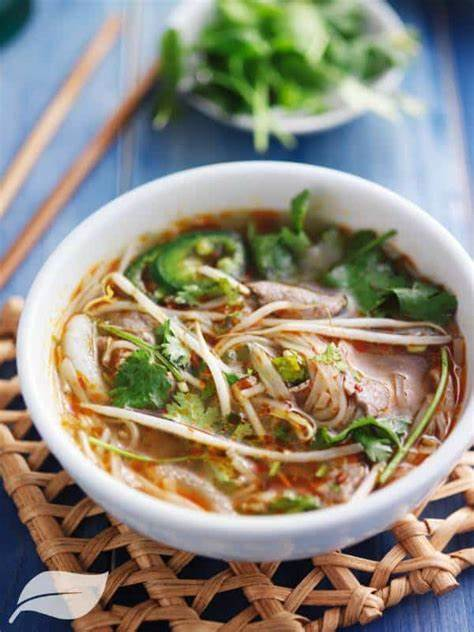
Pho, a unique national dish of Vietnam and one of Asia’s most recognizable cuisines, is more than just noodle soup. Steaming bowls of Pho are consumed anytime, anywhere, although primarily for breakfast, and are deeply ingrained in the culture of the country, particularly Hanoi, where it originated. Although there are numerous regional variations, Pho is a slow-cooked, delicately spiced bone broth served with rice noodles, thin slices of chicken or beef, fresh herbs, fish sauce, bean sprouts, chiles, and limes for unique flavoring.