Showing posts with label Household Tips. Show all posts

22/03/2026

World Water Day 2026

World Water Day
World Water Day is held annually on 22 March since 1993

World Water Day, held on 22 March every year since 1993, is an annual United Nations Observance focusing on the importance of freshwater.  

World Water Day celebrates water and raises awareness of the 2.2 billion people living without access to safe water. It is about taking action to tackle the global water crisis. A core focus of World Water Day is to support the achievement of Sustainable Development Goal 6: water and sanitation for all by 2030.  

Every year, UN-Water — the UN’s coordination mechanism on water and sanitation — sets the theme for World Water Day. In 2023, the focus was on Accelerating Change. In 2024, the theme will be Leveraging Water for Peace.


World Water Day since 1993

World Water Day is an annual United Nations (UN) observance day held on the 22nd of March that highlights the importance of fresh water. The day is used to advocate for the sustainable management of freshwater resources. The theme of each year focuses on topics relevant to clean water, sanitation and hygiene (WASH), which is in line with the targets of Sustainable Development Goal.The UN World Water Development Report (WWDR) is released each year around World Water Day.

UN-Water is the convener for World Water Day and selects the theme for each year in consultation with UN organizations that share an interest in that year's focus. The theme for 2021 was "Valuing Water" and the public campaign invited people to join a global conversation on social media to "tell us your stories, thoughts and feelings about water".

In 2020, the theme was "Water and Climate Change". Previous themes for the years 2016 to 2019 were "Water and Jobs'", "Why waste water?" "Nature for Water", and "Leaving no one behind". World Water Day is celebrated around the world with a variety of events. These can be theatrical, musical or lobbying in nature. The day can also include campaigns to raise money for water projects. The first World Water Day, designated by the United Nations, was in 1993.


‘Water for Peace’ - World Water Day 2024 campaign launches
World Water Day is held annually on 22 March since 1993

The campaign for World Water Day, 22 March 2024, is now live. This year’s theme is ‘Water for Peace’, which focuses on the critical role water plays in the stability and prosperity of the world. When water is scarce or polluted, or when people have unequal or no access, tensions can rise between communities and countries. 

More than 3 billion people worldwide depend on water that crosses national borders. Yet, out of 153 countries that share rivers, lakes and aquifers with their neighbours, only 24 countries report having cooperation agreements for all their shared water. As climate change impacts increase, and the global population grows, we must unite around protecting and conserving our most precious resource.  By working together to balance everyone’s human rights and needs, water can be a stabilizing force and a catalyst for sustainable development. 

World Water Day is a United Nations (UN) observance coordinated by UN-Water. Every year, it raises awareness of a major water-related issue and inspires action to tackle the water and sanitation crisis. This year’s Task Force of UN-Water Members and Partners is coordinated by the UN Economic Commission for Europe (UNECE) and UN Educational, Scientific and Cultural Organization (UNESCO).


World Water Day

World Water Day is held annually on 22 March as a means of focusing attention on the importance of freshwater and advocating for the sustainable management of freshwater resources. It is about taking action to tackle the global water crisis, in support of Sustainable Development Goal (SDG) 6: water and sanitation for all by 2030.

In 2024, World Water Day focuses on Water for Prosperity and Peace; UNESCO and the United Nations Economic Commission for Europe are the lead UN agency. Sustainable water management generates a plethora of benefits to individuals and communities, including health, food and energy security, protection from natural hazards, education, improved living standards and employment, economic development, and a variety of ecosystem services.
It is through these benefits that water leads to prosperity. And equitable sharing of these benefits promotes peace.

When it comes to water, sharing truly is caring. On this occasion, UNESCO wishes to recall the importance of dialogue and cooperation in the field of water, whether surface or groundwater, liquid or frozen. This international cooperation is not only desirable, but essential, when over 40% of the world’s population lives in transboundary river basins, which account for almost 60% of the world’s freshwater resources.


World Water Day

Why do we need to take action on water? Access to water is a human right. Yet, 2.2 billion live without safely managed drinking water services, with devastating impacts for their lives and wider society.

A well managed water cycle underpins progress across the 2030 Agenda for Sustainable Development, particularly in relation to hunger, gender equity, health, education, livelihoods, sustainability and ecosystems.

Water is also at the heart of adaptation to climate change, serving as the crucial link between the climate system, human society and the environment. Without proper water governance, there is likely to be increased competition for water between sectors and an escalation of water crises of various kinds, triggering emergencies in a range of water-dependent sectors.


Singapore landmarks turn blue to mark World Water Day
The Sports Hub lit in blue on March 21, 2021. ST PHOTO: DESMOND WEE

The city skyline turned into a sea of blue to mark World Water Day, as Singapore showed its commitment to water sustainability over the weekend. From Saturday (March 20) till Monday, a record 44 landmarks and buildings, including the ArtScience Museum, the Esplanade, Gardens by the Bay, Marina Bay Sands and the Singapore Flyer, are lit up in blue in the evenings as part of the national water agency PUB's City Turns Blue initiative, which started in 2014.

Among them are 10 spots that are taking part in the initiative for the first time. These include the Singapore Sports Hub, Mount Faber, One Marina Boulevard, Wisma Atria and the Keppel Marina East Desalination Plant. Last year, 39 local landmarks were bathed in blue as part of the light-up.

World Water Day is held annually on March 22, a day designated by the United Nations as a reminder that water is a critical resource that should be cherished and protected. Ahead of the annual event, the UN called for urgent efforts to address the global water crisis. Around 1.6 billion people - almost a quarter of the world's population - have problems accessing a clean and safe water supply.


Singapore's Reservoirs
MacRitchie Reservoir formerly called "Thomson Road Reservoir", constructed 1890-1894 has a storage capacity of 4,200,000 cubic metres

There are a currently 17 reservoirs which are designated as national water catchment areas and are managed by the Public Utilities Board (PUB) of Singapore.

The following is a list of reservoirs in Singapore:
01 - MacRitchie Reservoir (formerly called "Thomson Road Reservoir")
02 - Lower Peirce Reservoir (formerly called "Kallang River Reservoir" & "Peirce Reservoir")
03 - Upper Seletar Reservoir (formerly called "Seletar Reservoir")

Long Island to be reclaimed off East Coast could add 800ha of land, create Singapore’s 18th reservoir

19/11/2025

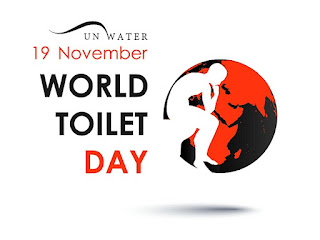
World Toilet Day 2025

WHO CARES ABOUT TOILETS?
Here are nine reasons to thank your toilet. Can you think of more?

World Toilet Day is all about celebrating toilets for everything they do for us – from taking away our waste to protecting our health, safety and dignity.

Billions of people still don’t have a safe toilet. If you’re lucky enough have one, say thanks and give it some love!

Show us how much you care about toilets by joining the #WorldToiletDay conversation on social media.


Singapore's first UN resolution adopted; now, every Nov 19 is World Toilet Day

The United Nations (UN) has agreed to mark World Toilet Day on Nov 19, thanks to a Singapore initiative.

Singapore had tabled the resolution, Sanitation for All, to raise awareness of the global challenge of sanitation and toilets.

It is the first time Singapore, since it became a UN member 48 years ago, had put a resolution before the UN's General Assembly of 193 members. The resolution was supported by 120 countries, said the the Ministry of Foreign Affairs and Ministry of the Environment and Water Resources in a joint statement on Wednesday.


World Toilet Day

World Toilet Day (WTD) is an official United Nations international observance day on 19 November to inspire action to tackle the global sanitation crisis. Worldwide, 4.2 billion people live without "safely managed sanitation" and around 673 million people practice open defecation.  Sustainable Development Goal 6 aims to "Ensure availability and sustainable management of water and sanitation for all". In particular, target 6.2 is to "End open defecation and provide access to sanitation and hygiene". When the Sustainable Development Goals Report 2020 was published, United Nations Secretary-General António Guterres said, "Today, Sustainable Development Goal 6 is badly off track" and it "is hindering progress on the 2030 Agenda, the realization of human rights and the achievement of peace and security around the world".

World Toilet Day exists to inform, engage and inspire people to take action toward achieving this goal. The UN General Assembly declared World Toilet Day an official UN day in 2013, after Singapore had tabled the resolution (its first resolution before the UN's General Assembly of 193 member states). Prior to that, World Toilet Day had been established unofficially by the World Toilet Organization (a Singapore-based NGO) in 2001. UN-Water is the official convener of World Toilet Day. UN-Water maintains the official World Toilet Day website and chooses a special theme for each year. In 2020 the theme was "Sustainable sanitation and climate change". In 2019 the theme was 'Leaving no one behind', which is the central theme of the Sustainable Development Goals. Themes in previous years include nature-based solutions, wastewater, toilets and jobs, and toilets and nutrition. World Toilet Day is marked by communications campaigns and other activities. Events are planned by UN entities, international organizations, local civil society organizations and volunteers to raise awareness and inspire action.

Toilets are important because access to a safe functioning toilet has a positive impact on public health, human dignity, and personal safety, especially for females. Sanitation systems that do not safely treat excreta (feces) allow the spread of disease.Serious soil-transmitted diseases and waterborne diseases such as cholera, diarrhea, typhoid, dysentery and schistosomiasis can result.

05/06/2025

World Environment Day 2025


The foods we eat, the air we breathe, the water we drink and the climate that makes our planet habitable all come from nature.

Yet, these are exceptional times in which nature is sending us a message:
  • To care for ourselves we must care for nature.
  • It’s time to wake up. To take notice. To raise our voices.
  • It’s time to build back better for People and Planet.
  • This World Environment Day, it’s Time for Nature.

read more

World Environment Day

World Environment Day (WED) is celebrated on 5 June every year, and is the United Nations' principal vehicle for encouraging awareness and action for the protection of the environment. First held in 1974, it has been a flagship campaign for raising awareness on environmental issues emerging from marine pollution, human overpopulation, and global warming, to sustainable consumption and wildlife crime. World Environment Day has grown to become a global platform for public outreach, with participation from over 143 countries annually. Each year, WED has provided a new theme that major corporations, NGOs, communities, governments and all celebrities worldwide adopt to advocate environmental causes.

World Environment Day was established in 1972 by the United Nations on the first day of the Stockholm Conference on the Human Environment, resulting from discussions on the integration of human interactions and the environment. Two years later, in 1974 the first WED was held with the theme "Only One Earth". Even though WED celebration have been held annually since 1974, in 1987 the idea for rotating the centre of these activities through selecting different host countries began.

For almost five decades, World Environment Day has been raising awareness, supporting action, and driving changes for the environment

read more

02/04/2025

Water price to rise from April 2025

S’pore water price to rise by 50 cents per cubic m by 2025; lower- and middle-income families to get help
Most households will fork out an additional $4 to $9, excluding GST, for their monthly water bills by 2025. FOTO:BRIAN TEO

Water will soon cost consumers an additional 50 cents per cubic m, starting with a 20-cent increase in April 2024 and a 30-cent rise in April 2025. This means that most households will fork out an additional $4 to $9, excluding goods and services tax (GST), for their monthly water bill by 2025, said national water agency PUB on Wednesday.

In 2020, the average monthly consumption of water was 15 cubic m for condominiums and 16.2 cubic m for HDB flats. Lower- and middle-income households will get help to offset some of the price increase. Deputy Prime Minister and Finance Minister Lawrence Wong will announce cost-of-living support measures to provide more relief for Singaporean households on Thursday.

The last water price hike of 30 per cent happened in 2017. The upcoming 50-cent rise – bringing the cost of 1 cubic m, or 1,000 litres, of water to $3.24 – is an 18 per cent increase. The price hike between 1997 and 2000 saw water prices rising by 120 per cent for households. The upcoming increase comes amid rising living costs, GST hikes and higher transport fares, and the water agency did not take the decision lightly, said a PUB spokesman.


Singapore to raise water prices by 18% over two phases in 2024 and 2025
Most households will pay 20 cents more for every 1,000 litres of water next year and another 30 cents more in 2025

Water prices in Singapore will rise by about 18 per cent over the next two years, national water agency PUB said on Wednesday (Sep 27). Potable water currently costs S$2.74 (US$2.01) for every 1,000 litres, or per cubic metre, before tax for most households.

The increase translates to an additional 50 cents per cubic metre. It will be split over two phases: 20 cents on Apr 1, 2024 and 30 cents on Apr 1, 2025. After the 2025 revision, three in four households will see a less than S$10 increase in their monthly water bills, PUB said. For businesses, three in four will see their water bills rise by less than S$25 a month while three in four hawkers will foot an increase of less than S$15 monthly.

The 4 per cent of households that consume much more water – exceeding 40 cubic metres a month – will see a higher increase in their bills. For every cubic metre of water above the threshold, the rate they pay will rise by 70 cents, from S$3.69 now to S$3.94 next year and S$4.39 the year after. The average household consumes about 15 cubic metres of water each month.


What you need to know about Singapore's impending water price hike

Water prices are set to increase by 18 per cent, starting from April next year.

How will the impending rise impact you, businesses or hawkers?

Here's what you need to know:
  • How much more will I have to pay? - If you consume up to 40 cubic metres of water, you will have to pay an additional 50 cents per cubic metre. The hike will be implemented over two phases: 20 cents on Apr 1, 2024 and 30 cents on Apr 1, 2025.
  • What help will I get? - The Ministry of Finance will on Thursday announce additional support measures to help households with the impact of the water price increase and other cost of living concerns. Meanwhile, all one-, two- and three-room households can apply for e-vouchers under the Climate Friendly Households Programme to offset the costs of installing water-efficient shower fittings.
  • How much more will businesses have to pay? - Three in four businesses, including small and medium enterprises will experience an increase of less than S$25 in their monthly water bills. Three out of four hawkers will see an increase of less than S$15 per month.
  • When were water prices last raised? - Water prices were last raised by 30 per cent in 2017, also over two phases. Announced in Budget 2017, the water prices were raised for the first time since 2000 to reflect the costs of water supply and to maintain Singapore's water infrastructure.
  •  Why are prices going up this time? - The latest price increase is due to rising operating costs and heavier investment in water infrastructure. The cost of producing and supplying water has gone up substantially since the last price revision, PUB said.


Water price to rise from April 2024; Government to provide support for lower- and middle-income households

Water price will be revised in two phases on 1 April 2024 and 1 April 2025, to reflect the rising costs of producing and supplying water. Water security is essential for Singapore. Water is a strategic resource that all of us – individuals, businesses, and the Government – must safeguard. Through long-term planning and continual investments in critical water infrastructure, Singapore has developed the Four National Taps1 to ensure a safe and reliable water supply to meet the needs of our population and economy. In Singapore, water is priced to recover the full cost of its supply and production, and to reflect the cost of producing the next drop of water. This right pricing of water also encourages water conservation by households and industries, to achieve a sustainable growth in water demand.

Even with active cost mitigation measures by PUB and our contractors, the cost of producing and supplying water has increased substantially since the last price revision in 2017, due to external cost pressures. Average electricity market tariffs have increased by about 37%, adding to PUB’s energy costs as we increasingly tap on energy-intensive sources such as NEWater and desalination to meet growing water demand. Construction costs in Singapore have also gone up by 35% across the industry2, with higher increases for specialised works PUB must undertake, such as tunnelling and pipeline projects through highly urbanised areas. PUB’s expenses for essential chemicals in water and used water treatment have increased by about 33%, due to inflationary pressures and supply chain disruptions. Similarly, maintenance expenses have risen by 18% due to higher manpower costs for contracted services.

Singapore’s water demand is projected to almost double by 2065 in tandem with economic and population growth. Climate change will also put greater strain on our local catchment and imported water which are weather-dependent. To ensure the security and sustainability of our water supply, we will need to maintain long-term investments in water infrastructure and further develop ourweather-resilient water sources such as NEWater and desalinated water, which are more energy-intensive and costlier to produce. The current potable water price is set at $2.74 per cubic metre. To meet the higher costs of supplying and producing water, the potable water price will increase by 50 cents per cubic metre (equivalent to 1,000 litres of water). This will be implemented in two phases – an increase of 20 cents per cubic metre from 1 April 2024, and a further 30 cents per cubic metre from 1 April 2025. This would represent an increase in water price of about 2.5% per year since the last price revision. The phased approach, with a smaller increase in the first year, is intended to help households and businesses adjust to the price increase and allow more time for the adoption of water conservation measures. For NEWater customers, the NEWater price will increase by 17 cents per cubic metre, similarly carried out in two phases


22/03/2025

World Water Day 2025

World Water Day
World Water Day is held annually on 22 March since 1993

World Water Day, held on 22 March every year since 1993, is an annual United Nations Observance focusing on the importance of freshwater.  

World Water Day celebrates water and raises awareness of the 2.2 billion people living without access to safe water. It is about taking action to tackle the global water crisis. A core focus of World Water Day is to support the achievement of Sustainable Development Goal 6: water and sanitation for all by 2030.  

Every year, UN-Water — the UN’s coordination mechanism on water and sanitation — sets the theme for World Water Day. In 2023, the focus was on Accelerating Change. In 2024, the theme will be Leveraging Water for Peace.


World Water Day since 1993

World Water Day is an annual United Nations (UN) observance day held on the 22nd of March that highlights the importance of fresh water. The day is used to advocate for the sustainable management of freshwater resources. The theme of each year focuses on topics relevant to clean water, sanitation and hygiene (WASH), which is in line with the targets of Sustainable Development Goal.The UN World Water Development Report (WWDR) is released each year around World Water Day.

UN-Water is the convener for World Water Day and selects the theme for each year in consultation with UN organizations that share an interest in that year's focus. The theme for 2021 was "Valuing Water" and the public campaign invited people to join a global conversation on social media to "tell us your stories, thoughts and feelings about water".

In 2020, the theme was "Water and Climate Change". Previous themes for the years 2016 to 2019 were "Water and Jobs'", "Why waste water?" "Nature for Water", and "Leaving no one behind". World Water Day is celebrated around the world with a variety of events. These can be theatrical, musical or lobbying in nature. The day can also include campaigns to raise money for water projects. The first World Water Day, designated by the United Nations, was in 1993.


‘Water for Peace’ - World Water Day 2024 campaign launches
World Water Day is held annually on 22 March since 1993

The campaign for World Water Day, 22 March 2024, is now live. This year’s theme is ‘Water for Peace’, which focuses on the critical role water plays in the stability and prosperity of the world. When water is scarce or polluted, or when people have unequal or no access, tensions can rise between communities and countries. 

More than 3 billion people worldwide depend on water that crosses national borders. Yet, out of 153 countries that share rivers, lakes and aquifers with their neighbours, only 24 countries report having cooperation agreements for all their shared water. As climate change impacts increase, and the global population grows, we must unite around protecting and conserving our most precious resource.  By working together to balance everyone’s human rights and needs, water can be a stabilizing force and a catalyst for sustainable development. 

World Water Day is a United Nations (UN) observance coordinated by UN-Water. Every year, it raises awareness of a major water-related issue and inspires action to tackle the water and sanitation crisis. This year’s Task Force of UN-Water Members and Partners is coordinated by the UN Economic Commission for Europe (UNECE) and UN Educational, Scientific and Cultural Organization (UNESCO).


World Water Day

World Water Day is held annually on 22 March as a means of focusing attention on the importance of freshwater and advocating for the sustainable management of freshwater resources. It is about taking action to tackle the global water crisis, in support of Sustainable Development Goal (SDG) 6: water and sanitation for all by 2030.

In 2024, World Water Day focuses on Water for Prosperity and Peace; UNESCO and the United Nations Economic Commission for Europe are the lead UN agency. Sustainable water management generates a plethora of benefits to individuals and communities, including health, food and energy security, protection from natural hazards, education, improved living standards and employment, economic development, and a variety of ecosystem services.
It is through these benefits that water leads to prosperity. And equitable sharing of these benefits promotes peace.

When it comes to water, sharing truly is caring. On this occasion, UNESCO wishes to recall the importance of dialogue and cooperation in the field of water, whether surface or groundwater, liquid or frozen. This international cooperation is not only desirable, but essential, when over 40% of the world’s population lives in transboundary river basins, which account for almost 60% of the world’s freshwater resources.


World Water Day

Why do we need to take action on water? Access to water is a human right. Yet, 2.2 billion live without safely managed drinking water services, with devastating impacts for their lives and wider society.

A well managed water cycle underpins progress across the 2030 Agenda for Sustainable Development, particularly in relation to hunger, gender equity, health, education, livelihoods, sustainability and ecosystems.

Water is also at the heart of adaptation to climate change, serving as the crucial link between the climate system, human society and the environment. Without proper water governance, there is likely to be increased competition for water between sectors and an escalation of water crises of various kinds, triggering emergencies in a range of water-dependent sectors.


Singapore landmarks turn blue to mark World Water Day
The Sports Hub lit in blue on March 21, 2021. ST PHOTO: DESMOND WEE

The city skyline turned into a sea of blue to mark World Water Day, as Singapore showed its commitment to water sustainability over the weekend. From Saturday (March 20) till Monday, a record 44 landmarks and buildings, including the ArtScience Museum, the Esplanade, Gardens by the Bay, Marina Bay Sands and the Singapore Flyer, are lit up in blue in the evenings as part of the national water agency PUB's City Turns Blue initiative, which started in 2014.

Among them are 10 spots that are taking part in the initiative for the first time. These include the Singapore Sports Hub, Mount Faber, One Marina Boulevard, Wisma Atria and the Keppel Marina East Desalination Plant. Last year, 39 local landmarks were bathed in blue as part of the light-up.

World Water Day is held annually on March 22, a day designated by the United Nations as a reminder that water is a critical resource that should be cherished and protected. Ahead of the annual event, the UN called for urgent efforts to address the global water crisis. Around 1.6 billion people - almost a quarter of the world's population - have problems accessing a clean and safe water supply.


Singapore's Reservoirs
MacRitchie Reservoir formerly called "Thomson Road Reservoir", constructed 1890-1894 has a storage capacity of 4,200,000 cubic metres

There are a currently 17 reservoirs which are designated as national water catchment areas and are managed by the Public Utilities Board (PUB) of Singapore.

The following is a list of reservoirs in Singapore:
01 - MacRitchie Reservoir (formerly called "Thomson Road Reservoir")
02 - Lower Peirce Reservoir (formerly called "Kallang River Reservoir" & "Peirce Reservoir")
03 - Upper Seletar Reservoir (formerly called "Seletar Reservoir")

Long Island to be reclaimed off East Coast could add 800ha of land, create Singapore’s 18th reservoir

16/03/2025

How to Invest in Stocks

Stock investing, when done well, is among the most effective ways to build long-term wealth.

Here's a step-by-step guide to investing money in the stock market to help ensure you're doing it the right way:
  • Determine your investing approach - The first thing to consider is how to start investing in stocks.
  • Decide how much you will invest in stocks - First, let's talk about the money you shouldn't invest in stocks.
  • Open an investment account - All of the advice about investing in stocks for beginners doesn't do you much good if you don't have any way to actually buy stocks.
  • Choose your stocks - Now that we've answered the question of how you buy stock, if you're looking for some great beginner-friendly investment ideas, here are five great stocks to help get you started.
  • Continue investing - Here's one of the biggest secrets of investing, courtesy of the Oracle of Omaha himself, Warren Buffett.

10/03/2025

Six popular supplements that could damage your liver beyond repair

6 Supplements Linked to Irreversible Liver Problems

Six supplements claiming to boost immune health and energy could lead to irreversible liver damage, a study suggests.  

Researchers in Michigan analyzed data from nearly 10,000 US adults surveyed over a three-year period. Participants were asked how often they used six popular but unproven supplements, including turmeric, green tea extract, and ashwagandha. The team found that the supplements, used by one in 20 Americans, were most popular with older, white women trying to treat conditions like arthritis, low energy, and hot flashes.

They warned that these common supplements could contain ingredients leading to permanent liver injuries and organ failure, though they did not specify how many contain them or which specific ingredients these include. The mechanism is also unclear.
  • Turmeric
  • Green Tea Extract
  • Garcinia Cambogia
  • Black Cohosh
  • Red Yeast Rice
  • Ashwagandha

04/03/2025

Travel Hack Everyone Must Know

Unlimited data, Affordable & Good (Best network is guaranteed)

It’s a fact that we feel the need to stay connected everywhere we go in today’s digitalized world. It will be a total nightmare if we are disconnected while travelling, even just for a bit. (Just take a look at the recent outage when Facebook, Instagram and, Whatsapp are down.)

Even if you do not dwell on such apps, a good WiFi connection can be handy when you need access to Google Maps. I am pretty sure you will not want to waste a single bit of your holiday getting lost in a foreign country, right?

“I’m travelling alone, why would I need a WiFi device when I can purchase SIM cards or activate my telco’s roaming services?” You may ask. It is a valid point but, most SIM providers has partnerships with a preferred local network provider. What this means is that in some areas, the reception can be exceptionally weak.

read more

19/02/2025

Easy To Grow Plants To Brighten Up Your Office


If you’re working from home or heading to the office each day, one thing remains certain: an organized, clean and friendly workspace is a great avenue for productivity and can help to improve overall job satisfaction too.

Nothing brightens up an office or work area like plants, and especially if they are low maintenance and able to grow even without getting as much sunlight as some others. Our list today features some of the easiest plants to grow irrespective of if the plants are on a desk or in a darker corner somewhere.

Getting your hands on any of these four interesting plants is sure to offer an instant mood boost and will add to the inviting feeling best suited to any work environment:
  • English Ivy
  • Bromeliad
  • Peace Lily
  • Dracaena

18/02/2025

Si, for Vitamin C


Essential skincare ingredients tend to rise and fall in trends but there are some that have stood the test of time.

I’m looking at you, Vitamin C. Scientifically known as ascorbic acid, this nutrient is well known to brighten and improve skin condition while preventing wrinkling.

And since I’ve been on a quest to look for a face oil/serum to improve the state of my sensitive skin, I decided to try out three different products that all of which contain Vitamin C.

read more

16/02/2025

Glaucoma, the disease that causes vision loss

Symptoms to watch out for

Glaucoma is a disease that affects the eyes - the optic nerve in particular - and if not treated in time can also lead to loss of vision. This eye disease affects around 55 million people worldwide and it is very important to try to prevent it as much as possible so that sight is preserved. (Source: Humanitas Hospital Milan).

Glaucoma is caused by either increased internal pressure in the eye or, in limited cases, reduced blood supply to the optic nerve. The resulting damage leads to visual field loss, initially in peripheral portions and later in central areas of the visual field, impairing vision. Glaucoma can be caused by congenital forms, i.e. forms that already occur at birth, or non-congenital forms. What causes it, even in non-congenital forms, is a reduction in the function of the trabecular meshwork, which is responsible for draining the aqueous humour from inside the eye to the outside. If the trabecularis does not function as it should, an increase in pressure inside the eye occurs, which then causes damage to the optic nerve and thus leads to the development of glaucoma.

To try to prevent the onset of glaucoma as much as possible, it is important to pay attention to the symptoms it can cause. These include loss of side, top and bottom vision that can cause difficulty in reading, driving and moving around spaces. Regular eye examinations are a good way to prevent the disease also because increased blood pressure is not immediately felt with symptoms. Individuals who are most at risk of developing glaucoma, and who should therefore undergo regular examinations, are especially those who have already had a family history of glaucoma, people with visual field defects, people who suffer from high myopia or diabetes, and people who have been taking cortisone medication for a long time.

26/01/2025

The Best Essential Oils and How to Use Them


There is a short list of things that people believed to be a trend, but yet decades later, their popularity remains throughout the years. Essential oils have been all the rage since their discovery. These aromatic extracts have been utilized for a variety of reasons, the majority of which are related to health and wellness.

Different cultures across the globe have used essential oils because of their potent qualities. They arouse the senses and are also generally antimicrobial antidepressant, and most importantly, stress relievers because of their inherent soothing effects. Nevertheless, it’s important to decide carefully on the kind of essential oil that you should use as each of them has a distinctive function and purpose. The method for producing essential oil is relatively straightforward. Throughout history, essential oils served as natural medicines, then cosmetics such as colognes, succeeded by the use in the food industry, and lately in aromatherapy. They are called essential oils as they possess the “essence” of the plant of which they have been extracted. Thus, once you use them, you are in fact experiencing a part of the plant itself.

Searching for the best essential oil is actually not that hard. All it takes is to understand what you want to treat, enhance or revitalize. If you use the wrong type of oil, then you won’t be enjoying the results that you desire. The Best Essential Oils:
  • Lemon Oil
  • Cinnamon Oil
  • Lavender Oil
  • Eucalyptus Oil
  • Peppermint Oil
  • Jasmine Oil
  • Pomegranate Oil


Essential Oils: What You Need to Know

Can the scent of lavender calm your nerves? Will a mixture of eucalyptus and coconut oils massaged on your chest to help you breathe a little easier?

Essential oils like lavender and eucalyptus have gained popularity in aromatherapy and are sometimes used as alternatives to traditional pharmaceuticals. While they’re generally safe, there are a few things you should keep in mind if you decide to try them.

Essential oils are made by distilling the roots, stems, leaves, flowers, and bark of plants with steam or water. These highly concentrated oils are then inhaled, ingested, or can be applied to the skin through a lotion, cream, or oil. “There are thousands of different plants that can be used to produce different extracts,” says Dr. Susan Rabizadeh, chief of dermatology at Cedars-Sinai. And while it’s true that oils offer certain health benefits, they also have the potential to cause harm, especially in pregnant women, babies, and people who have compromised immune systems. To enjoy aromatherapy—and play it safe—follow these essential oil dos and don’ts.

22/01/2025

Practical tips to cool your house if you don't have AC

Things you can do to avoid the heat (if you don't want to turn the AC on)

When temperatures are starting to rise, the go-to reaction is to turn the AC on and not leave the house. However, the cost of running the airconditioner can turn a summer into an absolute nightmare.

How to keep your house cool? And what if you don't even have AC, to begin with? To those who are melting in the heat, here are 23 ways to cool down your house without turning the AC on:
  • Summer clothes for your home
  • Spray the curtains a bit
  • Customized blinds
  • Stay cool in bed
  • Cotton bed sheets
  • Let the early morning breeze flow through the house
  • Open your windows at night
  • Switch off lights and electrical appliances
  • Using a fan
  • Ice and coarse salt
  • Installing fans on the ceiling
  • Mild showers
  • Put your feet in water
  • Drink a lot of water
  • Light clothes
  • Mopping the house in the morning
  • Turn on your extractor hood
  • Avoid using the oven
  • Water your plants
  • Draught excluders
  • Keeping the AC at 78°
  • Sleep with your feet uncovered
  • Simple and fresh meals
  • Keep the house cool but your mind cooler

21/01/2025

A terrace house with upcycled Javanese windows & kampung vibes

Reclaimed teak windows and doors sourced from Java, Indonesia, feature prominently in Sandra Heng’s four-bedroom house

When homeowner Sandra Heng first saw her two-storey home, it was not love at first sight. The 46-year-old inter-terrace building lacked natural light and ventilation in many parts and didn’t look inviting.

Today, sunlight permeates the home in all corners and the open living and dining space with a swing reverberates with a playful kampung vibe. On weekends, there’s lively chatter and laughter as Heng conducts free pilates workshops for friends in a specially constructed 656 sq ft studio.

Bringing light into the house was one of architect Goy Zhenru’s first priorities when she was tasked to transform the space, which won a Gold Award in Best Residential Design (Private Houses) at the 2018/2019 IDSA International Design Excellence Awards (IDEA).

08/01/2025

4 things to compare when choosing travel insurance


Before you know it, that long-awaited family trip you’ve booked is coming around in a few weeks. The itinerary is set and your children are counting down to the days before you leave. But there’s one thing left to do: Purchase a travel insurance policy.

With so many out there, how does one choose? Should you get yourself covered for this trip only, or get an annual plan instead?

Before you make a decision, here are four things to look out for when comparing travel insurance policies online:
  • How reliable is the insurer?
  • What if something goes wrong? Will I be able to reach someone?
  • How easy is it to make a claim?
  • What’s the easiest way to buy - and keep track of - a travel insurance policy?