14/11/2023

Why you keep waking up in the middle of the night


The importance of sleep has been proven time and time again by the scientific community. There is no substitute for a good night's sleep, so if our sleep is disturbed, we should look into it and try to fix it. One common occurrence is waking up in the middle of the night. This can happen for a number of reasons, including an urge to pee or feeling restless, among others.

In this gallery, we look at the many possibilities as to why you keep waking up in the middle of the night:
  • You’re stressed out or feeling anxious
  • It might be your gut bacteria
  • Your blood sugar levels might be to blame
  • Drinking
  • Smoking
  • Good ol’ caffeine
  • It might be due to a nutrient deficiency
  • Your hormones might be to blame
  • You might suffer from sleep apnea
  • The reason might be nocturia
  • Prediabetes might be to blame
  • Your liver function might be off
  • Your thyroid might be the culprit
  • A change to your circadian rhythm

Hematuria: Blood in urine

Hematuria is the presence of red blood cells in the urine. If there are enough red cells, the urine can become bright red, pink or cola colored. Often, however, the urine appears completely normal because there is not enough blood to cause a color change. In this case, the condition is called "microscopic" hematuria. There are many possible causes of hematuria, including:
  • Urinary tract infection — Hematuria can be caused by an infection in any part of the urinary tract, most commonly the bladder (cystitis) or the kidney (pyelonephritis).
  • Kidney stones
  • Tumors in the kidney or bladder
  • Exercise — Exercise hematuria is a harmless condition that produces blood in the urine after strenuous exercise. It is more common in males than females.
  • Trauma — Traumatic injury to any part of the urinary tract — from the kidneys to the urethral opening (the connection between the bladder and the outside world) — can cause hematuria.
  • Drugs — Hematuria can be caused by medications, such as blood thinners, including heparin, warfarin (Coumadin) or aspirin-type medications, penicillins, sulfa-containing drugs and cyclophosphamide (Cytoxan).
  • Glomerulonephritis — Glomerulonephritis is a family of illnesses that are characterized by inflammation of the glomeruli, the filtering units of the kidneys. Glomerulonephritis is a rare complication of certain viral and bacterial infections (including strep throat). It can also occur in people with certain auto-immune diseases, systemic lupus erythematosus (lupus or SLE) and vasculitis. Sometimes there is no identifiable cause.
  • Bleeding disorders — This includes conditions such as hemophilia and von Willebrand's disease.

read more

Nocturia: Excessive Urination at Night

Nocturia is a condition that causes you to wake up during the night to pee. This condition is also called nocturnal urinary frequency — having to pee more often at night. Nocturia becomes more common as people age (usually older than 60) and occurs in all genders and sexes, sometimes for different reasons. It can be common for people to wake up once during the night to pee, but peeing more frequently may be a sign of an underlying condition or problem.

When a person pees too much during the daytime, but can limit the amount of trips to the bathroom at night, it’s referred to as frequent urination. Nocturia is strictly using the bathroom multiple times after bedtime and before you wake up in the morning. Whether it’s happening due to an underlying medical condition or something else, it can leave you feeling tired because your regular sleep cycle is disrupted.

How common is nocturia? Nocturia is a common condition affecting more than 50% of adults after age 50. It’s more common in men and people assigned male at birth (AMAB) after age 50. Before 50, nocturia is more common in women and people assigned female at birth (AFAB). It affects up to 1 in 3 people over the age of 30.


Pneumaturia: Gas in urine

What Is Pneumaturia? Having small bubbles in your urine is called pneumaturia. It isn’t a diagnosis on its own but can be a symptom of certain health conditions. Common source causes for pneumaturia include urinary tract infections (UTIs) and passageways between the colon and the bladder (called fistula) that don’t belong.

If you have pneumaturia, you’ll feel gas or a bubbling sensation interrupting your urine stream. Your urine may appear to be full of small air bubbles. This is different than urine that looks foamy, which is usually an indicator of too much protein in your urine. Since pneumaturia is a symptom of other conditions and not a condition all by itself, you may want to look out for other symptoms that sometimes come along with it, such as:
  • burning sensation while urinating
  • difficulty urinating
  • feeling the need to “go” all the time
  • discolored urine
All of these symptoms could indicate an infection in your urinary tract. Common causes:
  • One common cause of pneumaturia is infectious bacteria. Pneumaturia can indicate a UTI, as the bacteria create bubbles in your urine stream.
  • Another common cause is a fistula. This is a passage between organs in your body that doesn’t belong there. A fistula between your bowel and your bladder can bring bubbles into your urine stream. This fistula can be an outcome of diverticulitis.
  • Less often, deep sea divers will have pneumaturia after a period of time underwater.
  • Sometimes pneumaturia is a symptom of Crohn’s disease.


Diabetes: Early Signs & Symptoms

Diabetes mellitus refers to a group of diseases that affect how the body uses blood sugar (glucose). Glucose is an important source of energy for the cells that make up the muscles and tissues. It's also the brain's main source of fuel. The main cause of diabetes varies by type. But no matter what type of diabetes you have, it can lead to excess sugar in the blood. Too much sugar in the blood can lead to serious health problems.

Chronic diabetes conditions include type 1 diabetes and type 2 diabetes. Potentially reversible diabetes conditions include prediabetes and gestational diabetes. Prediabetes happens when blood sugar levels are higher than normal. But the blood sugar levels aren't high enough to be called diabetes. And prediabetes can lead to diabetes unless steps are taken to prevent it. Gestational diabetes happens during pregnancy. But it may go away after the baby is born. Diabetes symptoms depend on how high your blood sugar is. Some people, especially if they have prediabetes, gestational diabetes or type 2 diabetes, may not have symptoms. In type 1 diabetes, symptoms tend to come on quickly and be more severe.

Some of the symptoms of type 1 diabetes and type 2 diabetes are:
  • Feeling more thirsty than usual.
  • Urinating often.
  • Losing weight without trying.
  • Presence of ketones in the urine. Ketones are a byproduct of the breakdown of muscle and fat that happens when there's not enough available insulin.
  • Feeling tired and weak.
  • Feeling irritable or having other mood changes.
  • Having blurry vision.
  • Having slow-healing sores.
  • Getting a lot of infections, such as gum, skin and vaginal infections.


Hematochezia: Blood in Stool

Blood is supposed to stay in your body. Seeing blood in your bowel movement is very frightening. It is an indication that something is not working right, but it is not always a herald of colon cancer. Rectal bleeding has many causes, but only one of them is colon cancer.

When You Note Blood in the Stool - The best action you can take now, to advocate for yourself, is to pay attention to this symptom and be prepared to discuss it with your doctor. Ask yourself these questions:
  • Was the blood in the stool, toilet bowl or on the toilet paper?
  • Was the blood bright red or dark red?
  • Approximately how much blood did you see? (Keep in mind, a drop of blood in a toilet bowl will turn all of the water red.)
  • Did you have to strain to pass the bowel movement?
  • How frequently do you have bowel movements?
  • Do you have other symptoms?
  • When was your last colon screening exam or colonoscopy?
  • Do you have a history of polyps or a family history of polyps?
Causes of Blood in the Stool:
  • Hemorrhoids
  • Inflammatory Conditions
  • Colon Polyps
  • Constipation
  • Bowel Infections
  • Colon Cancer

read more

Constipation and Urinary Incontinence
Bloating and cramps are two common symptoms of constipation

Being constipated means your bowel movements are tough or happen less often than normal. You might be constipated if you have less than three bowel movements per week.

Constipation is very common. Around 2.5 million people visit their doctor each year in the U.S. because they are constipated. It's usually not serious, and home remedies can get you back on track. How often should you poop? The normal length of time between bowel movements varies from person to person. Some people have them three times a day. Others have them just a few times a week.

But going longer than 3 days without one is usually too long. After 3 days, your stool gets harder and more difficult to pass. Constipation Symptoms You may have:
  • Few or no bowel movements
  • Trouble having a bowel movement (straining to go)
  • Hard or small stools
  • A feeling that everything didn’t come out
  • Belly bloating
  • A feeling like your rectum is blocked
  • A stomachache or cramps


Acupressure Points for Constipation

Acupressure can help in relieving constipation symptoms such as abdominal pain, bloating and gas by applying pressure to specific points on the body. The following are the commonly used acupressure points to relieve constipation that you can do on your own. Instead of pressing with your fingers, you can also use acupressure stick:
  • Tianshu (ST25) - Tianshu can improve digestion. You can place three fingers parallel and alongside the centre of the belly button. Tianshu is located at the edge of the last finger, away from the belly button. Use your thumb or forefinger and apply pressure or you can do circular motion with finger.
  • Guanyuan (CV4) - Guanyuan is used for relieving abdominal pain and diarrhea. It is located at 3 inches below your belly button. Use your thumb or forefinger and apply pressure or you can do circular motion with finger.
  • Zhigou (TE6) - Zhigou is an effective pressure point for relieving chronic constipation. It is located at 3 inches up the back of your arm from the crease of your wrist. Use your thumb and apply pressure or you can do circular motion with thumb. This procedure should have been repeated for the other wrist.
  • Zusanli (ST36) - Zusanli can strengthen the digestive system. It is located on the outer calf, about four finger widths under the knee bone. Use your thumb or forefinger and apply pressure. This procedure should have been repeated for the other foot.


15 signs your stomach is functioning badly
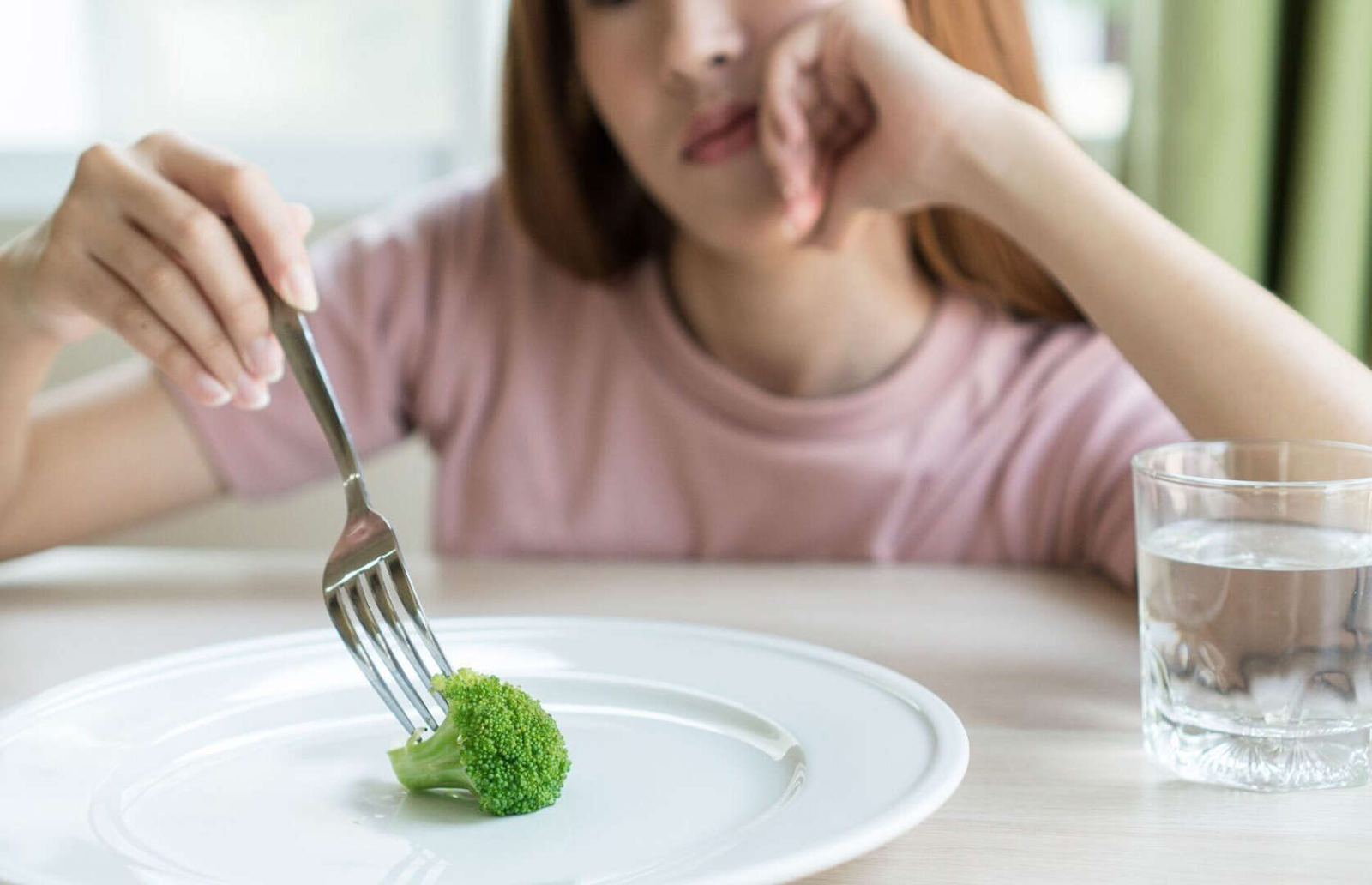


A queasy feeling in the pit of your stomach, dreading even the idea of food, and having to constantly run to the washroom; these are all unpleasant symptoms of stomach issues. There are all sorts of reasons why you may have a poorly functioning stomach. Sometimes, it’s from food poisoning or a gastro bug going around; however, if your stomach is chronically upset, it might be a sign of a bigger problem. If you are experiencing any of these 15 signs that your stomach is functioning badly, be sure to make an appointment with your healthcare provider:
  • Frequent and chronic diarrhea
  • Blood in your stool
  • Severe cramps after eating
  • Chronic constipation
  • Frequent heartburn
  • Difficulty swallowing
  • Loss of appetite
  • Unexplained weight loss
  • Sudden intense abdominal pain
  • Feeling full after eating a small portion
  • Swollen abdomen
  • Anemia
  • Fatigue and weakness
  • Frequent vomiting
  • Skin issues


What your poop tells you about your health
5 Things Your Poop Can Tell You About Your Health

Having a bowel movement is a critical part of digesting the food we eat. Stool formed by the large intestine is the body's way of getting rid of waste.

While you should talk to your doctor about any concerns, changes in poop color and consistency could show what is happening inside your digestive system:
  • Rocks and Pebbles - Poop that is hard and shaped like tiny rocks or pebbles is likely just a sign of constipation. You can still be considered constipated even if you are able to pass a small amount of stool. The large intestine helps to concentrate waste by absorbing water. If muscle contractions in the large intestine are not working properly, waste left in the colon becomes even more concentrated, resulting in harder stool.
  • Color Changes - A change in stool color is one of the most common concerns patients ask about. The foods you eat and the kind of bacteria living in your colon can both cause such changes and added food colorings are frequent culprits. This is one reason why patients preparing for a colonoscopy are instructed to avoid food and beverages with certain added colors the day before. Doctors note that when they perform a colonoscopy, they can actually tell what color the beverage was that the patient drank during their preparation for the procedure. Most changes in the color of stool are not cause for concern. The exception is poop that appears black or bloody, which could signal other problems with the digestive system.
  • Black and Tarry - The most common cause of black and tarry poop is taking iron supplements or a medication containing bismuth, such as Pepto-Bismol. However, it could mean you're losing blood somewhere in your gastrointestinal tract, such as in the stomach or small intestine.
  • Oily or Greasy Stools - If you have poop that appears oily, has a greasy consistency and is difficult to flush, it could be a signal that your body is not able to properly digest fat. The consistency changes could be caused by an infection, nutrients not being digested due to celiac disease or a problem with the pancreas, such as pancreatic cancer or pancreatitis.
  • Pencil Thin - Stool that is only occasionally very thin is not a cause for concern. It is likely due to muscle contractions in the large intestine as it helps to concentrate waste. If there is a sudden and consistent change in your stool always being thin, it could mean there is a blockage in your colon, and you should see your doctor.

13/11/2023

World's Largest & Most Majestic Statues

The World's 10 Tallest Statues

All around the world, statues have been built since antiquity. In addition to serving as a constant reminder of the planet's past, present, and potential future, statues are essential for advancing the tourism sector. Many of these taller statues are either representations of famous people or are connected to significant historical events. These statues are tall enough to serve as the main attractions in the city they are situated. The following article discusses the top ten tallest statues in the world:

Behold the World's Largest and Most Majestic Statues

There are thousands of public works of art around the world and many impress and surprise with their creativity and size. Whether carved in rock or covered in marble, dripping with gold or made from plants, these are some of the biggest, tallest and most awe-inspiring statues and sculptures on Earth:


All of the world’s tallest statues are in Asia
Spring Temple Buddha, China – 502 feet

Even if you haven’t been to any of the world’s most famous statues, you can probably name a few. The Statue of Liberty in New York, Christ The Redeemer in Rio de Janeiro, and Nelson’s Column in London are all renowned for pulling in thousands of tourists a year.

Statues hold historical and cultural significance because let’s face it, you don’t get a statue erected of you for menial things. Some people visit famous landmarks to snap a picture and claim bragging rights. Others go to pay respect to the person or cause the statue was created for.

Whatever the reason, there’s no denying they play a big part in the tourism industry, and Asia is home to the world’s tallest. Some you may know, maybe even been to, others might be on your bucket list. Here are the ten tallest statues in the world, and they all happen to be in Asia


Leshan Giant Buddha 樂山大佛
A UNESCO World Natural & Cultural Heritage Site

Sitting on the confluence of three rivers in Leshan, the 71-meter-high Leshan Giant Buddha is the largest Maitreya Buddha statue carved out of a cliff in the world. Ancient wisdom and regilious faith of Buddhism created the giant and magnificent cultural treasure, and now is world-known as an amazing UNESCO Natural & Cultural Heritage property in Leshan, nearby Chengdu. Leshan Giant Buddha is the main attraction in Leshan Giant Buddha Scenic Area, which was listed as a World Natural & Cultural Heritage Site by UNESCO in 1996 together with Mount Emei. Located at the joint of Minjiang River, Dadu River and Qingyi River, Leshan Giant Buddha is sitting facing Leshan City across the river and it’s the largest cliff rock carving Maitreya Buddha statue in the world.

In ancient Tang Dynasty (8th century AD), the water at the joint of the three rivers was very fierce and boats were often capsized here. Thus, to slow down the water flow, Monk Haitong recruited craftsmen to build the Giant Buddha. It was first carved from AD 713, and when carving the shoulder of the Buddha, Haitong passed away. After the death of Haitong, the project was suspended for a long time. Few years later, the apprentice of Haitong continued to build the Giant Buddha with the donation of local government officer Zhangchou Jianqiong. The project was suspended again when the knees were just completed. Forty years later, the project was continued again, and after the efforts of three generations, the Giant Buddha was finally completed in AD 803. So, this huge project totally took about 90 years to complete. The Giant Buddha was carved from the Lingyun Mountain, with its head reaching to the mountain top and its feet standing next to the river. The total height is 71 meters; while the head is 14.7 meters high and 10 meters wide, ear is 7 meters long, nose is 5.6 meters long, mouth and eyes are 3.3 meters long, 28 meters tall between knees and insteps. Its insteps can hold over a hundred people. There are 1021 spiral coils on the Buddha head, and they were all stones inlayed onto rocky head. Two over 16-meter tall Virudhakas stand by side on cliff to protect the Giant Buddha.

The Giant Buddha is sitting in the open air, and the weather of Leshan is humid. You must be curious why the Giant Buddha has been preseved so well under such natural conditions. The secret is its ingenious design. There is a delicate and invisible drainage system which played an important role in protecting the Giant Buddha from corrosion. Among the 18 layers spiral coils on the Buddha head, the 4th layer, 9th layer and 18th layer have one cross drainage; the drainage from the left side in front of the chest is connecting to the back drainage of the right arm; there are cave one the back side (the side near the mountain) connecting the two ears. These caves and drainages have composed the scientific drainage, moisture proof and ventilation system. Besides, the local government will renovate the Giant Buddha statue irregularly to restore the broken parts, clean the Buddha, change materials, and eminilate safety risks. Besides the sitting Giant Buddha, Leshan Giant Buddha Scenic Area has many other wonderful attractions.

12/11/2023

Happy Deepavai 2023

Festival of Lights
Photo by Little India Shopkeepers and Heritage Association (LISHA)

The annual Hindu celebration of the triumph of light over darkness. Bright colours, tantalising aromas and the light of a thousand oil lamps fill the streets of Little India during Deepavali.

As one of the major cultural festivals in Singapore, Deepavali (also known as “Diwali” or the “Festival of Lights”) is a celebration that marks the triumph of good over evil.

It’s when thousands of Hindu families in the city—and across the world—transform their homes into beacons of light, exchange gifts, share feasts and perform pooja (prayers) to deities such as Lakshmi, the goddess of fertility and prosperity.

read more

11/11/2023

How to keep your home fly-free


When the warmer months come around, flies come too. Whether you live in a big city, the suburbs, or in the countryside, flies are everywhere. And although flies may not seem dangerous, they tend to carry diseases and filth with them, which can cause problems for your living environment, and the health of both you and your loved ones (including your pets).

Therefore, it's time that you learn how to get rid of the flies in your home. Browse through this gallery to discover how. Are flies harmful? - In many cases, flies won't do any harm. However, they can carry viruses and bacteria that can spread when they bite, such as cholera, E. coli, dysentery, and a tropical infection called yaws.

How to get rid of houseflies - Before you purchase a can of pesticide, try to get rid of flies naturally. There are various methods:
  • Lavender - Lavender is an excellent way to repel flies. Its smell wards them away, simply because they can't stand the scent.
  • Basil - Basil is another plant with a scent flies can't stand. You can use it in various areas throughout your home, such as near your food or your garbage cans.
  • Vinegar and dish soap - Mix apple cider vinegar and a few drops of dish soap in a tall glass. Cover the glass with plastic wrap. Secure the plastic wrap with a rubber band and poke small holes in the top. This will trap those small, annoying fruit flies.
  • Cayenne pepper and water - Mix cayenne pepper with water and spray around the house to deter flies from coming in. Just be careful you don't get any in your eyes!
  • Venus flytrap - Venus flytraps are carnivorous plants that eat insects, including flies. They will break down the insect over five to 12 days, and then spit out the exoskeleton.
  • Natural trap bait - You can also use foods or drinks that are attractive to flies in order to trick them into a trap.
  • Essential oils - Many essential oils have strong odors that chase flies away. Some good ones are clove oil, thyme oil, peppermint oil, lemongrass oil, and cinnamon oil.
  • Insecticide and other repellents - In addition to natural ways to get rid of flies, you can use insecticides and traps to kill or remove them.

How to keep bedbugs at bay

To avoid bites on cinema nights, trousers are your best protection, as bedbugs cannot bite through fabric. But experts say more thorough measures are needed to keep the pests out of one's home.

Mr Ivan Goh, general manager of Q-Vector Pest Management, said bedbugs usually enter one's home via people who travel or those who pick up infested items and take them home. He does not recommend tackling bedbug infestations without professional help. "Often the anti-bedbug sprays you buy from stores kill only live bedbugs, but not the eggs. You should engage a licensed pest controller."

Placing contaminated items under direct hot sunlight will kill bedbugs. Certain items may be infested beyond rescue and have to be discarded. Mr Goh suggests they be treated with anti-bedbug spray and wrapped up before disposal. He urged cinemagoers to check their clothing after a movie. Signs of infestation include small black droppings on bedsheets.

10/11/2023

Former WP's Hougang MP Yaw Shin Leong dies


Hougang residents throng to ex-MP Yaw Shin Leong’s wake to pay respects
Yaw Shin Leong also known as Amos Rao, passes away at 47 on 10 Nov 2023

Despite only serving Hougang Single Member Constituency (SMC) residents for a year, residents showed that the former parliamentarian gained an immovable place in their hearts as they visited the late MP’s wake to pay their respects. Mr Yaw, who also went by the name Amos Rao, passed away on Friday (10 Nov) at the young age of 47. His untimely death was announced on Facebook late on Tuesday (14 Nov), and it has since emerged that the former politician suddenly collapsed while jogging in Beijing, China.

Mr Yaw is survived by his wife and two children, who are still in primary school. His friends told the press that he is disciplined and often goes for morning jogs but never mentioned any physical discomfort while running before. The late Singaporean is also described by his friends as a person who is stingy with himself but generous to the people around him. From time to time, he gave small gifts to people around him. Mr Yaw was a Member of Parliament representing Workers’ Party (WP) stronghold Hougang SMC from 2011 to 2012.

His family invited Singaporeans to join them in celebrating Mr Yaw’s life, honouring “the joy, wisdom and love he shared so generously.” The Celebration of Life was open from Friday, 17 Nov to Sunday, 19 Nov at Maxwell Hall, Level 7, Woodlands Memorial. The Memorial Service took place on Saturday, 18 Nov. A number of Mr Yaw’s former constituents appeared at his wake, alongside his friends and family. The wake venue was filled with a throng of people who visited to express their condolences over the weekend. Workers’ Party (WP) member Png Eng Huat, Mr Yaw’s successor at Hougang SMC, paid tribute to him. The party’s central executive committee and current Hougang SMC MP Dennis Tan Lip Fong also sent wreaths to Mr Yaw’s family.


Former Workers’ Party MP Yaw Shin Leong dies aged 47
Former Workers Party MP Yaw Shin Leong has died on 10 Nov 2023. (Photo: LinkedIn/Amos Rao)

Former Workers’ Party (WP) Member of Parliament Yaw Shin Leong has died, according to an obituary on his social media accounts on Tuesday (Nov 14) night.

He died on Nov 10 at the age of 47, according to the obituary which was posted on LinkedIn and Facebook. 

The cause of death was not mentioned:
  • "Our hearts are broken with grief. You left us too soon, too sudden," said the obituary, which was posted on the pages belonging to Amos Rao, which was a name used by Mr Yaw.
  • "Your sudden passing leaves a void in our hearts that cannot be filled. We know you are in a better place. We love you deeply. You will live on forever in our hearts."
  • "Rest in Peace, Amos, Beloved Husband, Papa, Brother, Leader and Soldier".
  • "To friends of media, Shin Leong’s passion for Singapore, his service in the National Service, and his contributions beyond politics have left indelible marks," said the obituary.


Former Workers' Party Hougang MP Yaw Shin Leong collapsed during morning jog in Beijing, China

Former Workers' Party (WP) Member of Parliament Yaw Shin Leong was doing his morning jog in Beijing, China, on 10 Nov 2023, when he suddenly collapsed to the ground and passed away.

He was 47. The cause of Yaw's passing is sudden death, his Facebook account manager told 8world News. The account manager also revealed that the obituary on Yaw's Facebook page was published by his wife.

According to the obituary, Yaw's wake will be held at Woodlands Memorial from Nov. 17 to 19. His memorial service will be held on Saturday, Nov. 18, at 7pm.


Yaw Shin Leong and a Potential Legacy Cut Short

Politician turned businessman Yaw Shin Leong—also known as Amos Rao in his post-Workers’ Party years—passed away on Nov 10 at the age of 47. 

The obituary posted on his Facebook and LinkedIn accounts on November 15th did not specify the cause of death. It did, however, mention that it was a “sudden passing”. According to 8world, he was in Beijing at the time and collapsed after a jog. 

His controversial exit from the Workers’ Party (WP) after a rumoured extra-marital affair probably remains fresh in Singaporeans’ minds. After all, it was big news back in 2012. It’s also arguably the most newsworthy aspect of his political career. There hasn’t been an article that covered his passing without mentioning his expulsion from WP. But is it fair to remember the man solely by the scandal that torpedoed his budding political career?


Yaw Shin Leong
Yaw during a rally speech in 2011

Yaw Shin Leong (Chinese: 饶欣龙; pinyin: Ráo Xīnlóng; 2 June 1976 – 10 November 2023) was a Singaporean businessman and politician. A member of the opposition Worker's Party (WP), he was a Member of Parliament representing the constituency of Hougang SMC between 2011 and 2012.

On 15 February 2012, the Worker's Party expelled Yaw from the party after he refused to respond to the party regarding reported allegations of an affair. Yaw's father died when he was 13. His widowed mother then scrimped and saved to bring up both his younger sister and himself and supporting them through tertiary education. Yaw served as a medic with the Singapore Armed Forces. Yaw had his secondary and pre-university education in Bukit Panjang Government High School and Jurong Junior College. He held a Bachelor of Arts (BA, Merit) degree in Political Science & Sociology from National University of Singapore. He also held a Master of Business Administration (MBA) from University of Western Sydney.

Yaw joined the Workers' Party in June 2001 and was elected into Central Executive Council (CEC) a year later.[citation needed] He remained in CEC until 7 February 2012 when he suddenly stepped down from the post of Treasurer. In the 2006 Singapore General Election, Yaw was candidate and leader of The Workers' Party team that contested the Prime Minister's seat of Ang Mo Kio Group Representative Constituency. Made up largely of young, first-time candidates under the age of 35, the team was dubbed the "suicide squad" by the media, and the People's Action Party chairman Lim Boon Heng boldly predicted that the Prime Minister's team would win 80 to 85% of the votes, putting the "suicide squad" at risk of losing their deposits. However, Yaw's team managed to secure more than one-third of the votes against the PAP team led by Prime Minister Lee Hsien Loong.


Time Magazine's Person-Of-The-Year

Yaw Shin Leong was a rising star in the Workers’ Party, holding the position of Treasurer in the party and was a Member of Parliament representing the constituency of Hougang after the 2011 Singapore General Elections until he was expelled by the party in February 2012 for an alleged extramarital affair. He was the first man to be brought down by a sex scandal in 2012. A string of many would follow.